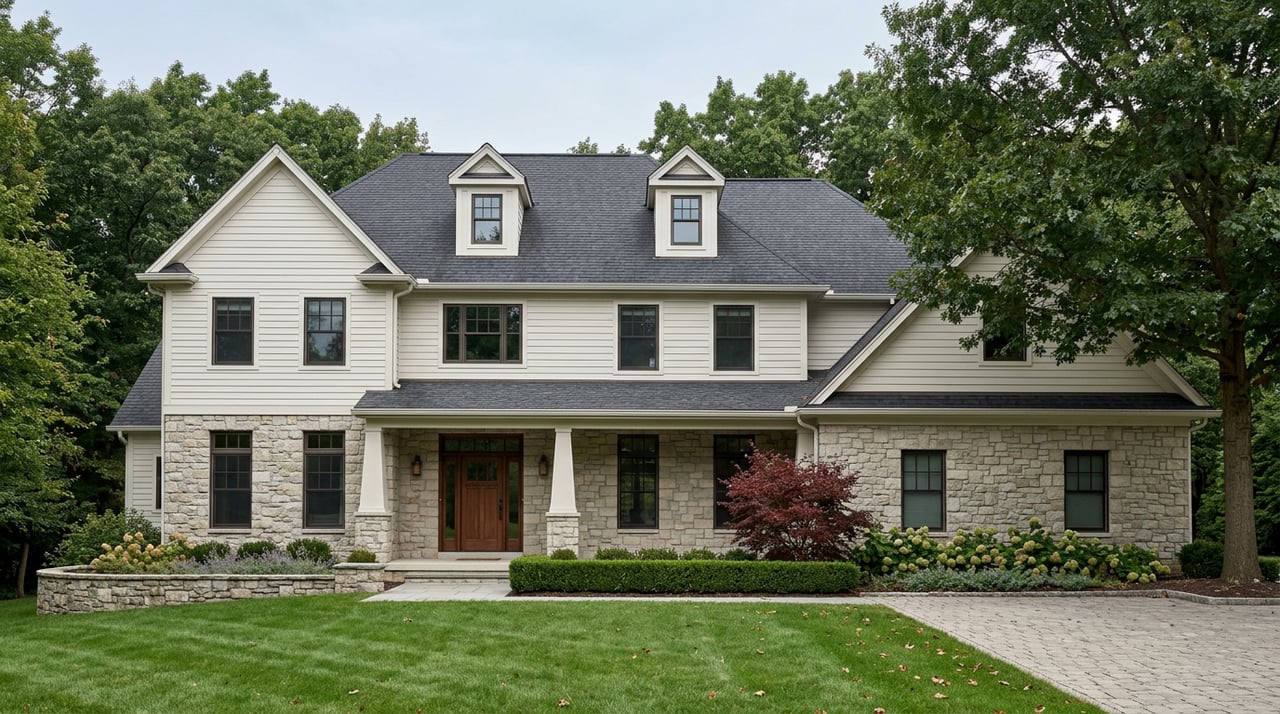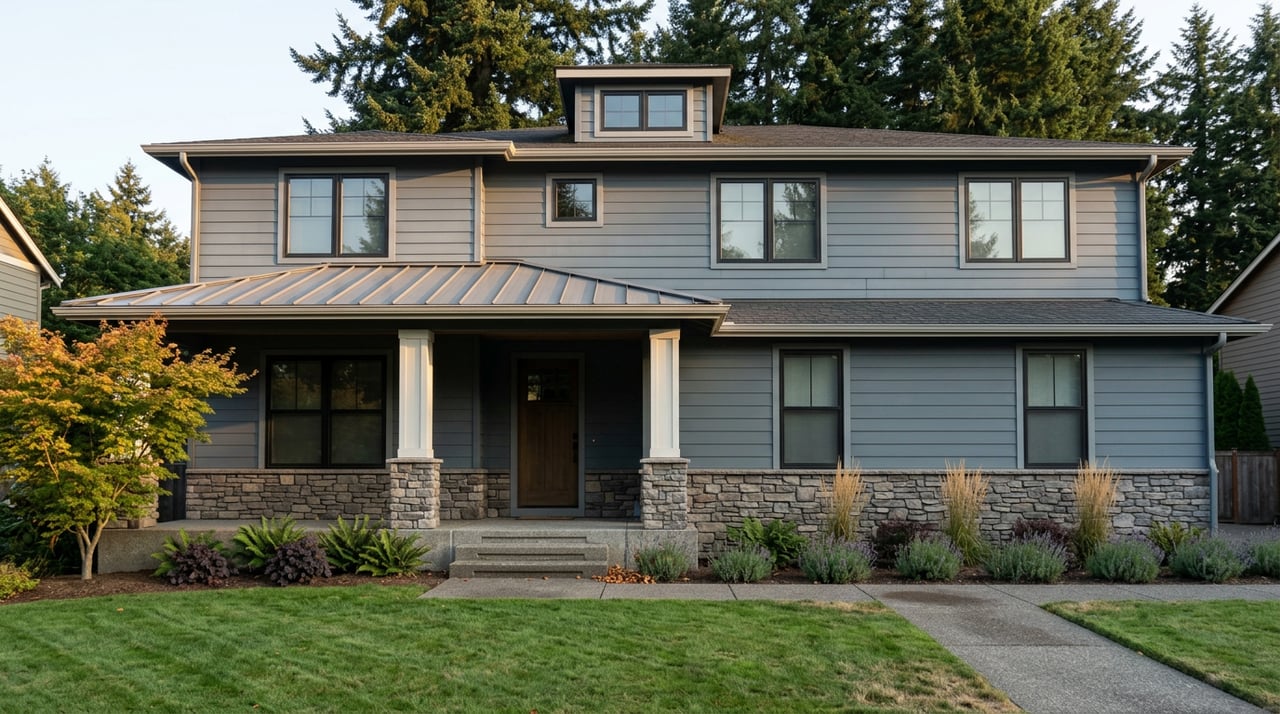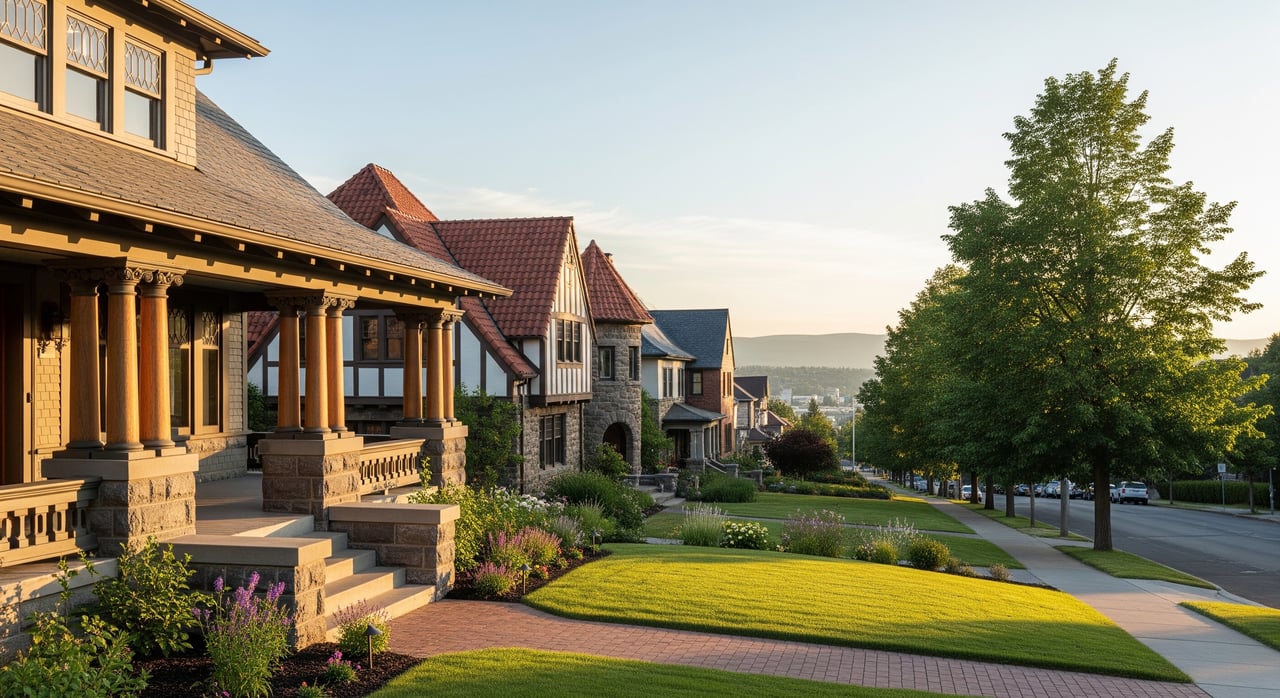
Trying to choose between Manito, Rockwood, Cannon Hill, Comstock, and Moran Prairie on Spokane’s South Hill? You are not alone. Each pocket has its own mix of architecture, lot size, park access, and daily conveniences, which can make the search feel overwhelming. In this guide, you will get a clear, side‑by‑side look at the distinct styles and lifestyles across the South Hill so you can focus your home search with confidence. Let’s dive in.
South Hill at a glance
South Hill rises above downtown Spokane and stretches south across a series of tree‑covered neighborhoods. Manito Park anchors the older, historic core, while newer subdivisions extend toward the southern edges near Moran Prairie. Most areas offer mature streetscapes, quick access to everyday services along 29th Avenue, and a range of lot sizes from compact city parcels to larger suburban footprints.
You will find early‑1900s architecture near Manito and Rockwood, mid‑century options in Cannon Hill and Comstock, and late‑1990s to recent construction in Moran Prairie. Transit runs along major corridors, and arterials provide direct routes into downtown and toward I‑90. Because school boundaries and zoning vary block by block, plan to verify details for any address you consider.
Manito Park area
Homes and architecture
The Manito area showcases early 1900s bungalows, Craftsman, Tudor, and period revival homes. Many properties feature original masonry, built‑ins, and classic trim that appeal to buyers who appreciate historic character. Renovated homes often blend preserved details with updated systems and kitchens.
Lots and streets
Tree‑lined streets and established landscaping are hallmarks here. Lots are generally moderate to large for the city, with deeper rear yards and space for gardens. Expect a cohesive streetscape, mature canopy, and the charm that comes with long‑settled blocks.
Parks and recreation
Manito Park and Botanical Gardens serve as the neighborhood’s living room. The park’s gardens, trails, and playfields create an everyday outdoor lifestyle, with additional open space at nearby playfields and linear boulevards. Weekend traffic and events can increase activity near park edges, so it helps to visit at different times of day.
Daily conveniences
You are close to the 29th Avenue retail corridor for groceries, coffee, and services. Trips to downtown are short by car, and transit options run along the main streets. Medical and professional services are reachable along nearby arterials.
Buyer fit and notes
This area tends to suit buyers who want strong historic character and walkable access to a flagship park. Properties often command a premium due to architectural quality and location. If you plan renovations, confirm whether a home lies within any historic review area before you design changes.
Rockwood
Homes and architecture
Rockwood is known for larger early‑20th‑century residences, including Tudor Revival, Colonial Revival, period styles, and high‑quality Craftsman. Many homes have larger footprints and finished basements. The overall feel is stately and picturesque.
Lots and streets
Curving boulevards and prominent setbacks define the streetscape. Lots are larger than average, and the mature tree canopy creates a classic boulevard presence. Rolling topography appears on some blocks, which can influence driveway design and garage access.
Parks and streetscape
Rockwood Boulevard is a designed scenic corridor that shapes the neighborhood’s identity. You will also find smaller parks and green buffers that add to the setting. The boulevard and landscaping give the area a unique sense of place.
Daily conveniences
Rockwood offers a quick hop to South Hill shopping corridors and a short commute into downtown. Transit service operates along nearby arterials. Everyday errands are straightforward, with multiple grocery and service options a short drive away.
Buyer fit and notes
This pocket is a good match if you want estate‑scale historic homes and signature streets. Parts of Rockwood are recognized for historic significance. Before altering exteriors or larger landscape elements, verify any historic‑district considerations and available incentives.
Cannon Hill
Homes and architecture
Cannon Hill blends early‑century bungalows and modest Craftsman homes with some mid‑century ranches and newer infill. The variety provides choices for buyers who want character without the scale of Rockwood or Manito’s premium frontage.
Lots and streets
Lots are mostly moderate in size and slightly denser than neighboring Rockwood. Mature trees and sidewalks add to the neighborhood feel. Many homes have usable, manageable yards suitable for low‑to‑medium maintenance.
Parks and recreation
Small neighborhood parks and playfields are nearby, and Manito Park is close enough for larger green‑space access. The combined park network supports daily walks, playground time, and casual recreation.
Daily conveniences
Proximity to 29th Avenue means quick trips for groceries, coffee, and dining. School options depend on exact address, so verify attendance areas with the district. Commuting remains practical along major north‑south and east‑west streets.
Buyer fit and notes
Choose Cannon Hill if you want classic South Hill architecture with practical access to retail and parks. It often provides a balance of character, location, and convenience. In older homes, plan for standard inspections of foundations, drainage, and mechanical systems.
Comstock
Homes and architecture
Comstock features post‑war ranches, split‑levels, and period homes, with some newer remodels and infill. Floor plans tend to be functional, with opportunities for cosmetic updates or full modernizations.
Lots and streets
Expect moderate to larger suburban lots in some pockets, with flatter areas alternating with gentle slopes. Streets are residential in feel, and many yards are well suited for outdoor living and gardening.
Parks and recreation
Local parks and playfields serve the area, and nearby corridors provide access to community amenities and trails. The geography supports simple daily walks and bike rides on lower‑traffic streets.
Daily conveniences
Comstock has a suburban vibe with practical access to grocery and services via major streets. Commute routes connect easily to downtown and other employment centers. Transit is available along primary corridors.
Buyer fit and notes
Comstock works well if you want a quieter residential setting, slightly larger yards, and a broad mix of home eras. When comparing homes, consider driveway slopes, garage access, and the age of roofs and HVAC given mature tree coverage.
Moran Prairie
Homes and architecture
Moran Prairie sits on the southeastern edge of the South Hill and includes newer subdivisions from the 1990s to the present. You will find contemporary floor plans, larger single‑family homes, and options with expanded garages.
Lots and streets
Expect larger lots, cul‑de‑sacs, and more modern landscaping. Street‑tree canopy is generally lighter than in the older cores, which can mean more sun and easier roof maintenance.
Parks and trails
Neighborhood parks, trail connections, and community‑oriented open spaces are woven into many subdivisions. These spaces support outdoor activity without the scale of Manito Park.
Daily conveniences
This area is more driving‑oriented. Commercial centers cluster along nearby arterials, and regional road access is straightforward. Confirm utility connections for properties toward the fringe, especially for sewer service.
Buyer fit and notes
Choose Moran Prairie if you prefer newer construction, larger garages and yards, or more privacy on quieter streets. It offers value for buyers who want size and modern layouts. As with any newer area, confirm HOA rules or covenants where present.
Practical search factors on South Hill
Schools and boundaries
School assignment can vary block by block. Use the district’s boundary resources and contact the registrar to confirm the assigned elementary, middle, and high schools for any address you consider. If schools are a priority in your search, verify before touring.
Historic districts and renovations
Manito and Rockwood include early‑20th‑century homes, and parts of Rockwood are recognized for historic significance. If you plan exterior changes, window replacements, or major landscape alterations, confirm whether the property is in a designated historic area. You may find guidelines, review procedures, or potential tax incentives for approved work.
Utilities, sewer, and septic
Most developed South Hill neighborhoods are served by city water and sewer. On the southern fringe, verify sewer availability and any connection costs. A sewer scope is a smart addition to inspections, especially on older laterals with mature trees nearby.
Zoning, ADUs, and infill
South Hill includes a mix of single‑family zones, small multifamily pockets near commercial corridors, and areas where accessory dwelling units may be allowed. Policies can change, so confirm current city zoning and ADU rules for each parcel. If you are considering an addition or second unit, verify requirements early in the process.
Walkability, transit, and traffic
The 29th Avenue corridor is a key east‑west retail spine with groceries, services, and dining. Transit runs along primary corridors, and commutes into downtown are straightforward from most micro‑areas. Be mindful of traffic and weekend activity near major parks and arterials, and test your route at the times you travel.
Inspection focus for older homes
Older South Hill homes often include basements and mature tree cover. Focus inspections on foundation and drainage, roof age and gutter function, and potential water intrusion. Ask your inspector about electrical system updates, plumbing materials, HVAC age, and the condition of the sewer line.
Price and pace of the market
Historic and park‑front locations like Manito and Rockwood typically command a premium, while newer suburban pockets in Moran Prairie often offer larger lots and modern layouts at relative value. Because prices shift with inventory and seasonality, use current local market reports and agent guidance to understand active conditions.
How to narrow your South Hill search
- Start with lifestyle anchors. If daily park time matters, focus on Manito and Cannon Hill. If larger garages and newer systems matter, target Moran Prairie and newer Comstock pockets.
- Match home era to your renovation appetite. Early‑century charm often pairs with higher maintenance. Mid‑century and newer homes can offer simpler modernization.
- Walk the blocks. Visit at different times of day to gauge traffic, parking, and park activity. Pay attention to driveway slopes, snow exposure, and shade patterns under mature trees.
- Confirm the details. Verify school boundaries, zoning, historic status, and utilities for any address before making decisions.
If you want a design‑savvy strategy for buying or selling on the South Hill, you are in the right place. With a staging and interior‑design background, a boutique approach, and deep neighborhood knowledge, we help you align the right home style and location with your goals. Connect with Amy Khosravi to schedule a free consultation.
FAQs
Which South Hill areas have the most historic homes?
- Manito and Rockwood feature early‑20th‑century architecture and signature boulevards; confirm any historic‑district boundaries before planning renovations.
How does parking and garage access vary in older neighborhoods?
- Many early‑century homes use alley or smaller garages and may sit on sloped sites, so review driveway grades and winter access during showings.
Are South Hill homes on city sewer and water?
- Most established neighborhoods are on city services, but verify sewer status and connection details on properties toward the southern fringe.
What is the commute like from South Hill to downtown Spokane?
- Major arterials provide a short drive into downtown, with transit along key corridors; test your preferred route at your typical travel times.
How walkable is South Hill to parks and shopping?
- Manito and Cannon Hill are close to major parks and 29th Avenue services, while Moran Prairie is more driving‑oriented with newer retail centers along arterials.
What inspections are most important for older South Hill properties?
- Focus on foundation and drainage, roof and gutter performance, electrical and plumbing updates, HVAC age, tree impacts, and the condition of the sewer lateral.