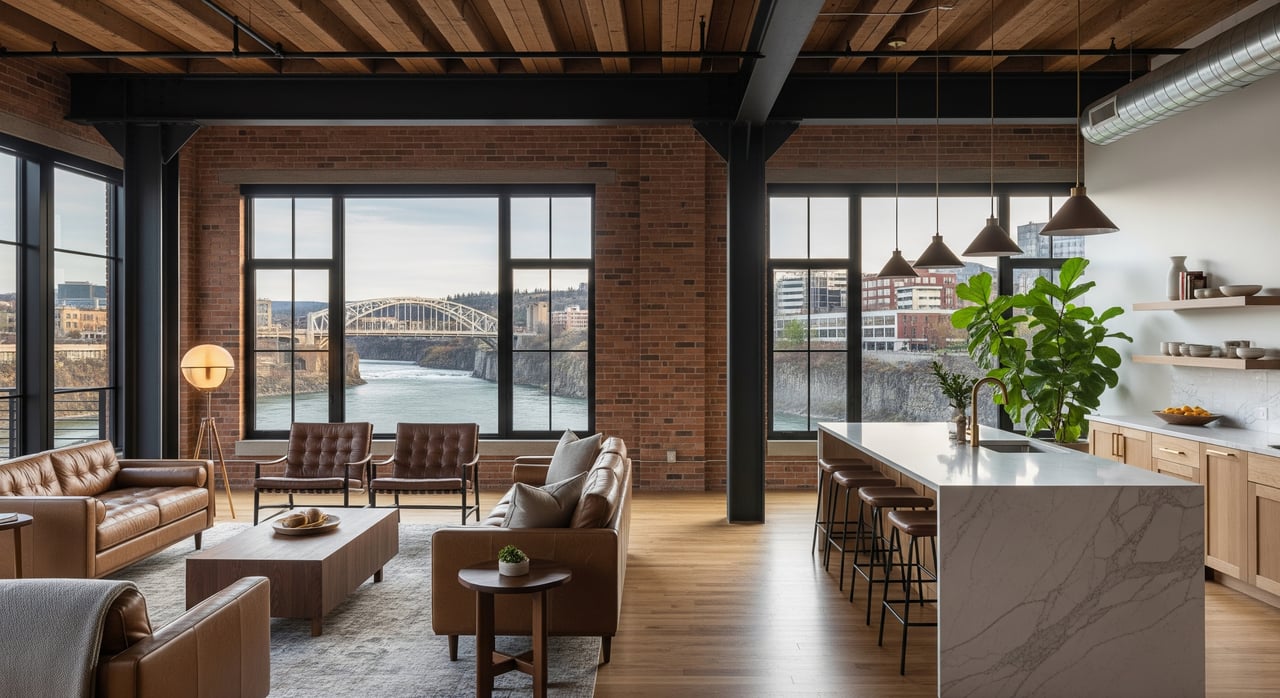
Are you torn between the sleek convenience of a condo and the character of a brick-and-beam loft in Downtown Spokane? You are not alone. Urban buyers often want walkability, light-filled spaces, and style, but they also want predictable costs and easy everyday living. In this guide, you will learn exactly how condos and lofts differ in Spokane, where each option tends to shine, and what to check before you buy so you feel confident. Let’s dive in.
What condo vs. loft means in Spokane
A condo is a unit within a legally defined condominium project. You own your unit plus a shared interest in common elements like hallways, the roof, and amenities. In Spokane, condos appear in both new construction and converted historic buildings.
A loft describes a style more than a legal ownership form. Lofts in Spokane often sit in converted downtown warehouses or offices and feature open floor plans, high ceilings, and exposed brick or ductwork. A loft can be part of a condo association or a different ownership setup, so always confirm the legal structure before you write an offer.
Downtown neighborhoods at a glance
Browne’s Addition
This historic, tree-lined neighborhood sits just west of the core. You will find preserved Victorians, small apartment or condo conversions, and boutique condo projects. The appeal is character and quieter streets with close access to Riverfront Park and downtown. Consider that some buildings are older with limited on-site parking and potential historic-preservation constraints on exterior changes.
Kendall Yards-adjacent buildings
On the west bank of the Spokane River, Kendall Yards is a newer infill and mixed-use district that emphasizes walking and biking. New-construction condos and townhomes here often provide modern building systems, planned public spaces, and assigned or underground parking. Expect contemporary amenities and a polished feel. Homeowner association dues can reflect those amenities, and some commercial areas are still maturing.
Core downtown conversions
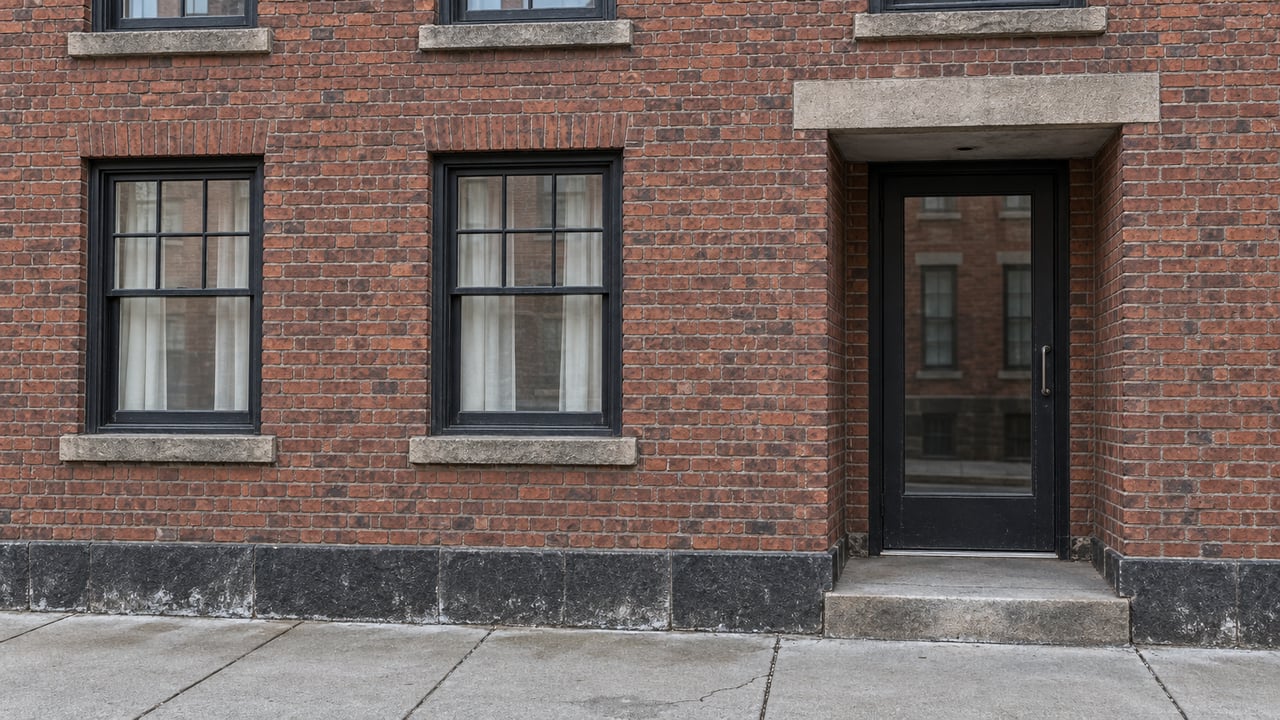
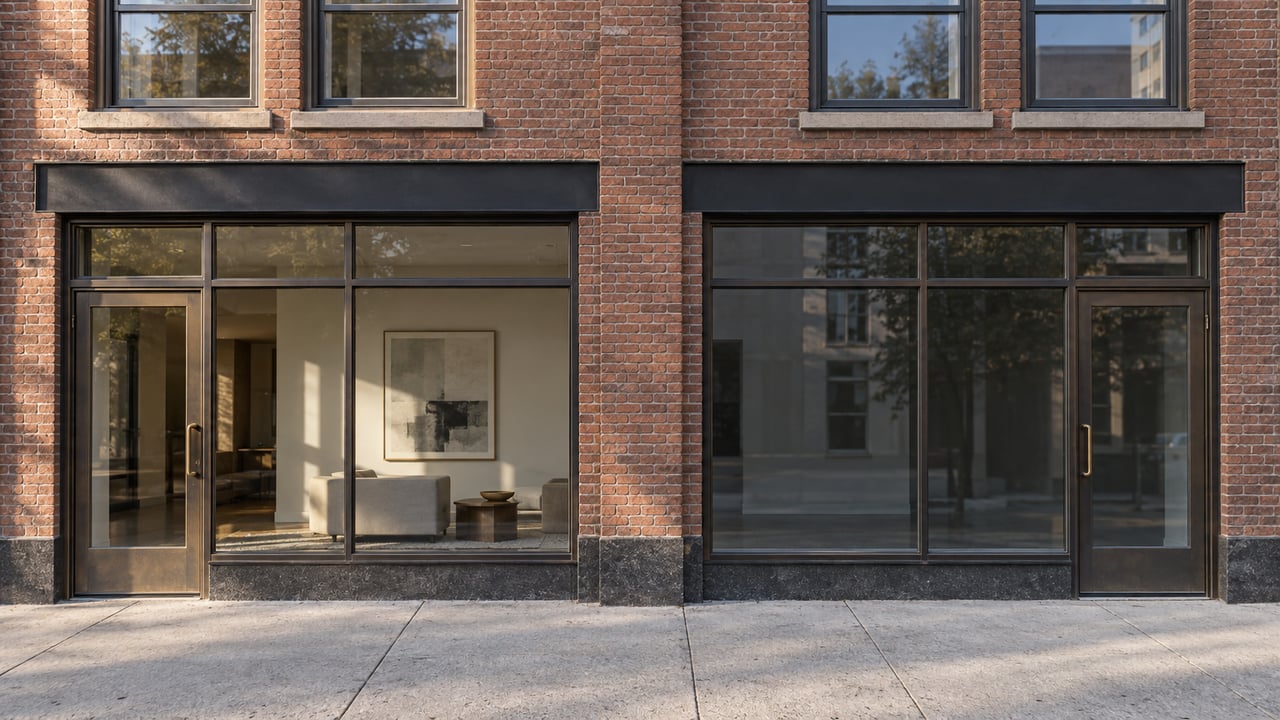
In the core, many residential options are warehouse or office-to-residential conversions plus a few purpose-built towers. Lofts here deliver exposed brick, oversized windows, and volume. You get maximum urban proximity and historic character, but you may encounter single-pane windows, older mechanical systems, and fewer private outdoor spaces.
Lifestyle and amenities
If you want a turnkey lifestyle with predictable services, a newer condo typically fits. Common amenities include secure entry, fitness rooms, bike storage, rooftop decks, professional management, and reserved parking. These conveniences create a hotel-like feel with less day-to-day upkeep on your part.
If you value character and open layouts, lofts are compelling. Exposed beams, historic brick, and tall windows bring drama and texture. Shared amenities vary widely in older conversions, so the building’s personality is often the main draw.
HOA dues, rules, and governance
Most condo associations cover exterior maintenance, common-area insurance, snow removal, landscaping, trash, security, and elevator service. Some buildings include utilities for shared systems. Your due diligence should focus on how the HOA operates and whether it is financially healthy.
Key items to review:
- Monthly dues and exactly what they cover
- Reserve fund balance and date of the most recent reserve study
- Any recent or planned special assessments
- Owner-occupancy ratio and rental or short-term rental rules
- Pet policies, noise rules, and guest policies
- Professional management versus volunteer board and how responsive it is
Washington condominium laws govern how associations operate. Always read the governing documents and recent meeting minutes so you know what you are buying into.
Storage, noise, and privacy
Storage
Newer condos usually include storage lockers, well-planned closets, and bike rooms. Loft conversions can be inconsistent. Some units offer minimal closet space or rely on basement storage that may be unassigned or not climate friendly. If you have outdoor gear or seasonal décor, confirm locker size and location before you commit.
Noise and privacy
Downtown brings energy. That can mean nightlife and event noise, plus rail and freight activity in certain areas. Newer buildings often have better soundproofing and thicker windows. Older lofts with single-pane windows and less insulation can transmit more sound and temperature shifts. Visit at different times of day, ask about sound ratings and insulation details, and review HOA records for noise complaints.
Parking and transportation
Parking is a major quality-of-life factor. Newer condo projects commonly include assigned or garage parking, sometimes for an added fee. In Browne’s Addition and older conversions, on-site parking can be scarce. Some owners rely on street parking, neighborhood permits, or leased spaces in nearby lots or ramps that carry monthly costs.
Downtown Spokane is very walkable, with easy access to restaurants, parks, and jobs. Spokane Transit Authority serves core routes, and bike infrastructure continues to improve, especially around Kendall Yards. If you plan to keep a car, verify whether a parking stall is included, deeded, or available to lease, and how that affects resale.
Historic-building systems and quirks
Historic conversions bring texture and light along with unique building systems. Common features include high ceilings, large industrial windows, and one-of-a-kind floor plans. Potential tradeoffs can include single-pane or non-efficient windows, older plumbing or electrical, and heating that relies on baseboard units or mini-splits rather than modern central HVAC.
Historic designation can protect character and curb appeal, but it may limit exterior changes like window replacements. Exterior envelope work on brick and roofs can be costly and usually falls under common expenses. Elevators in older buildings can be limited in capacity and may require more frequent service. Ask for documentation on envelope work, elevator maintenance, and HVAC upgrades, and review the HOA’s capital improvement history.
Insurance, taxes, and financing
Most associations carry a master insurance policy that covers common areas and the building shell. You will likely need an HO-6 condo policy for your interior finishes and personal property. Replacement costs in historic buildings can be higher, so understand deductibles and coverage details.
Property taxes are assessed by Spokane County and vary by unit size and improvements. For financing, lenders and many programs have condo project eligibility standards. Some older conversions or small associations may not be approved for certain loan types. If you plan to use FHA or VA financing, confirm project approval early. Eligibility can also influence the future buyer pool and your resale timeline.
How to choose your best fit
Start with your day-to-day priorities, then layer in design. If you want historic character, volume, and a one-of-a-kind space, and you are comfortable with possible tradeoffs on insulation, parking, and older systems, a downtown loft may be ideal. If you prefer modern systems, predictable services, and built-in amenities, a newer condo in Kendall Yards or a recent downtown project is likely a better fit.
Quick lens to decide:
- Choose a loft if you value open plans, exposed materials, and unique layouts, and you can accept more variation in noise, utilities, and storage.
- Choose a newer condo if you want consistent amenities, energy-efficient windows, dedicated parking, and a well-structured HOA.
Smart due diligence checklist
Use this list to compare options and protect your investment:
- HOA health: monthly dues, reserve study date, reserve balance, special assessments, litigation, and management structure
- Rules and flexibility: rental and short-term rental policies, pet rules, noise rules, and owner-occupancy rate
- Systems and envelope: window type and replacement history, HVAC type and age, water heater and service dates, roof and brick or exterior maintenance records, elevator service logs
- Storage and parking: dedicated locker size and condition, bike storage, guest parking, EV charging readiness, parking stall ownership or lease terms and fees
- Noise and location: proximity to nightlife, rail lines, and event venues, and any recorded noise complaints
- Financing and resale: FHA or VA project approval, recent comparable sales, and any HOA conditions that could affect lender decisions
Ready to compare or tour?
Whether you are drawn to a minimalist, modern condo or a textured, light-filled loft, the right guidance makes your decision easier. With a design-forward eye and deep Spokane market knowledge, we help you weigh lifestyle, HOA health, and building systems so you can buy with confidence. If you are ready to explore the best fit for your goals, connect with Amy Khosravi to schedule a free consultation.
FAQs
What is the difference between a condo and a loft in Spokane?
- A condo is a legal ownership structure with shared common elements, while a loft usually describes a historic or industrial-style space and may or may not be part of a condo association.
How do HOA dues work in downtown Spokane buildings?
- Dues typically cover exterior maintenance, common-area insurance, utilities for shared systems, snow removal, landscaping, security, and elevators, but you should verify the line items for each building.
Are parking spaces included with downtown condos or lofts?
- Many newer condos include assigned or garage parking, while older conversions and Browne’s Addition buildings may rely on street parking or leased spaces, so confirm availability and fees.
How noisy are core downtown lofts compared to newer condos?
- Newer buildings often have better soundproofing and thicker windows, while older lofts can have single-pane glass and less insulation, so visit at different times and ask about noise complaints.
Can I use FHA or VA financing for a Spokane condo or loft?
- Some projects are approved and some are not, so check project eligibility with your lender early because it can impact both financing options and future resale.
What should I review before buying in a historic conversion?
- Examine window type and replacement history, HVAC and electrical systems, envelope and roof work, elevator maintenance records, and HOA reserves and special assessment history.