Trying to choose between a sleek new townhome near South Perry’s cafes or a charming bungalow on a tree‑lined side street? You are not alone. Buyers in this neighborhood often weigh low‑maintenance living and modern systems against private yards and historic character. This guide breaks down costs, maintenance, lifestyle trade‑offs, inspections, and a step‑by‑step decision framework tailored to South Perry. Let’s dive in.
South Perry at a glance
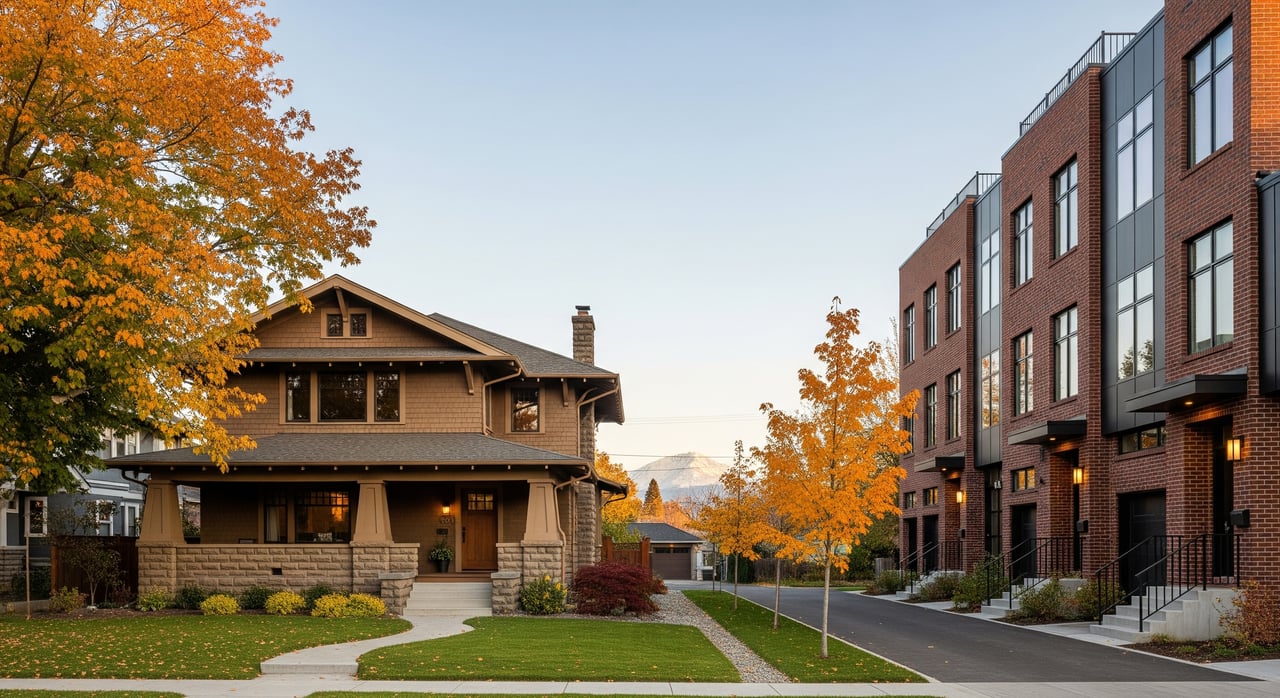
South Perry centers on a compact, walkable commercial corridor with small businesses, restaurants, and neighborhood services. You will find early and mid‑20th century bungalows and craftsman homes alongside newer infill townhomes on smaller lots. Sidewalks, street trees, and on‑street parking are common, and many infill townhomes sit closer to the street to maximize lot efficiency. For parcel‑specific rules, check current City of Spokane zoning maps and any historic‑preservation overlays that may guide exterior changes to older homes.
Townhome vs bungalow: quick fit
Townhome buyer profile
- You want low exterior maintenance and a lock‑and‑leave setup.
- You value proximity to shops and transit along the South Perry corridor.
- You prefer a newer build with modern systems and energy efficiency.
Bungalow buyer profile
- You want a private yard for gardening, pets, or play.
- You appreciate historic character and may be open to remodeling.
- You favor a quieter side‑street setting and long‑term ownership.
Cost and monthly budget
Purchase price dynamics
New infill townhomes in South Perry often carry a higher price per square foot than older detached homes nearby. That premium reflects modern finishes, energy codes, and higher density on small lots. Older bungalows may list lower, but you should factor in potential renovation costs to compare fairly. Always pull fresh MLS data for active listings and recent sales before you decide.
Ongoing carrying costs
HOA fees are a key driver for townhomes. Monthly dues often cover exterior maintenance, building insurance, snow removal, garbage, and sometimes reserves for future projects. Fees can be modest or substantial, so review the governing documents and reserve studies to understand what is included. Detached homes do not have HOA dues, but you will carry all exterior upkeep and yard costs yourself.
Property taxes in Spokane follow comparable rates for both property types. Your assessed value is tied to the purchase price and improvements, so use Spokane County Assessor records for parcel‑level estimates. Utilities often differ as well. Newer townhomes built to modern energy codes typically have better insulation and efficient HVAC. Historic homes may have higher heating and cooling costs unless they have been upgraded.
Financing and resale considerations
Some townhomes in the neighborhood are structured as condominiums. If so, lenders may require project approval and different underwriting. If you are using FHA or VA financing, confirm your lender’s condo rules and whether the project is approved. Detached houses generally have simpler financing pathways.
Resale in South Perry is strongly influenced by location and walkability. Historic details can draw buyers who will pay a premium for original features, while other buyers prefer modern finishes and layouts. New townhomes offer predictable maintenance and contemporary design, but resale depends on the project’s build quality and the health of the HOA. If you plan to rent, verify local rental ordinances and HOA rules for both short‑term and long‑term leasing.
Maintenance and inspections
Historic bungalow due diligence
Expect a thorough inspection focused on roof condition, foundation and settling, crawlspace or basement moisture, and the age and capacity of major systems. Older Spokane bungalows may have original or outdated electrical, galvanized or lead plumbing, single‑pane windows, and limited insulation. Lead‑based paint or asbestos can be present in older materials. Energy upgrades like insulation, windows, and HVAC often top the renovation list and can improve comfort and reduce utility costs.
New infill townhome due diligence
New builds usually meet current energy and seismic codes and include modern electrical and plumbing. Common issues involve punch‑list items, drainage on compact lots, party‑wall sound transfer, and HVAC sizing for stacked or narrow plans. In HOA communities, exterior repairs often require coordination, and owners may have limited access to exterior systems. Builders sometimes offer short warranties, so read coverage terms and time limits carefully.
Maintenance cost profile
A historic single‑family home typically requires a larger, variable maintenance budget and more frequent contractor coordination. You will also carry all yard and exterior costs. A townhome offers a more predictable monthly HOA expense for many exterior tasks, though you should still plan for interior maintenance. Watch for the risk of special assessments if the HOA’s reserves are underfunded.
Lifestyle trade‑offs in the Perry District
Outdoor space and yard
Bungalows usually provide private yards with room to garden, relax, or store gear. This space comes with ongoing time and budget commitments. Townhomes tend to offer small patios or courtyards, with landscaping and exterior upkeep commonly handled by the HOA. The trade‑off is less private outdoor space in exchange for lower day‑to‑day maintenance.
Privacy and noise
Detached homes generally offer more separation and privacy. Townhomes share at least one wall, so sound transfer can vary by construction quality. If you are sensitive to noise, ask for soundproofing details and try to experience the unit during different times of day. Clear owner disclosures and, when possible, an in‑unit noise test can set expectations.
Parking and vehicles
Parking differs block by block. Some historic homes have detached garages or alley access, while some townhomes include assigned spaces or private garages. On‑street parking, permit rules, and guest parking policies within HOAs all matter. Confirm rights and rules in writing before you write an offer.
Commute, walkability, and transit
One of South Perry’s biggest draws is how close you are to neighborhood businesses and services. Townhomes on or near the corridor often deliver the most convenience, while bungalows on nearby side streets may feel quieter. Transit routes and bike infrastructure shift over time, so check Spokane Transit Authority service and current city transportation information for the latest options.
Community and aesthetic character
If you love original woodwork, built‑ins, and craftsman details, a bungalow may be a better fit. If you prefer open plans, large primary suites, and modern finishes, a townhome may align with your lifestyle. New infill brings contemporary design into an older streetscape. Some buyers like the contrast, while others prefer a uniform historic look. Your aesthetic preferences will influence long‑term satisfaction.
Decision framework for South Perry buyers
Step 1 — Define priorities
- Decide on must‑haves: private yard or low maintenance, number of bedrooms, parking needs, and distance to specific amenities.
- Be honest about lifestyle: willing to garden and DIY, or do you want lock‑and‑leave simplicity?
Step 2 — Money matters
- Get pre‑approved and compare total monthly costs: mortgage, taxes, insurance, HOA dues, and a maintenance allowance.
- For bungalows, estimate short‑term rehab needs and get contractor opinions. For townhomes, weigh potential special assessments and HOA reserve strength.
Step 3 — Technical due diligence
- Bungalows: order a full home inspection and targeted specialists as needed, such as pest, sewer scope, chimney, and HVAC.
- Townhomes: review HOA documents, including CC&Rs, bylaws, meeting minutes, budget, and reserve study. Request builder warranty details and verify recent HOA projects.
Step 4 — Neighborhood checks
- Visit at different times to evaluate noise, parking, foot traffic, and overall feel.
- Review city or neighborhood resources for planned development, street improvements, or zoning changes that may affect livability or value.
Step 5 — Financing and legal
- Confirm lender requirements for condo or townhome projects and secure any needed approvals early.
- Consider consulting a real estate attorney if HOA rules or historic‑district guidelines are complex.
Step 6 — Long‑term risk assessment
- Bungalows: forecast likely capital projects in the next 5 to 10 years, such as roof, foundation, or system replacements.
- Townhomes: assess HOA reserve health and any history of special assessments. Evaluate builder quality and completion of punch‑list work.
A quick checklist before you write an offer
- Verify HOA dues, insurance coverage, and the latest reserve study.
- Confirm property tax history and any pending special assessments from the city or HOA.
- For older homes, inspect foundation, roof, HVAC, windows, plumbing, and electrical capacity.
- For new townhomes, request builder warranty terms and the final certificate of occupancy.
- Confirm parking rights, on‑street permit rules, and guest parking policies.
Get local guidance tailored to you
Your best choice in South Perry comes down to what you value day to day. A new townhome offers convenience, modern systems, and predictable maintenance. A historic bungalow offers private outdoor space, character, and the potential to customize over time. If you want a clear, side‑by‑side comparison of total monthly costs, realistic repair budgets, HOA health, and neighborhood fit, connect with a local expert who knows both product types.
As a design‑forward Spokane broker with deep South Hill expertise, I help you weigh the trade‑offs and move confidently. Whether you are buying or planning to sell and want staging‑grade presentation, let’s align your decision with your lifestyle and goals. Schedule a free consultation with Amy Khosravi.
FAQs
What are typical HOA fees for townhomes in South Perry?
- HOA dues vary by project and scope of services, so review current governing documents and the reserve study to understand monthly costs, what is covered, and whether reserves are adequately funded.
Are South Perry townhomes considered condos for financing?
- Some townhomes are structured as condominiums, which can require lender condo approval and different underwriting, so confirm your project’s status and any FHA or VA requirements with your lender early.
What inspections matter most for historic bungalows in South Perry?
- Focus on roof condition, foundation and moisture, electrical panel and wiring type, plumbing materials, HVAC age, window condition, insulation levels, and potential lead paint or asbestos in older materials.
How does walkability affect resale in South Perry?
- Location and walkability strongly influence resale, with buyers drawn to both historic character and modern finishes, so evaluate project quality, HOA health, and street context when considering long‑term value.
How do I compare monthly costs between a townhome and a bungalow?
- Add mortgage, taxes, insurance, HOA dues if applicable, estimated maintenance, utilities, and potential reserves or special assessments, and support estimates with contractor opinions for bungalows and HOA financials for townhomes.