Looking for a downtown lifestyle that feels urban without losing touch with the outdoors? In Spokane, downtown living is not just about office towers or nightlife. It is a compact, riverfront experience shaped by parks, trails, historic buildings, mixed-use housing, and everyday convenience. If you are wondering what it actually feels like to live in the heart of the city, this guide will walk you through the housing, rhythm, and neighborhoods that define downtown Spokane. Let’s dive in.
Downtown Spokane at a Glance
Downtown Spokane is the city and region’s core. According to the City of Spokane’s downtown plan, it includes the largest employment area, Riverfront Park, the financial district, major retail, the historic urban core, and parts of the university and medical districts.
That mix matters if you are thinking about living there. Downtown is not a place you only visit for work or events. It is designed to support housing, recreation, services, and day-to-day activity, which gives it a more lived-in feel than a traditional business district.
Riverfront Living Shapes the Experience
One of the clearest things that sets downtown Spokane apart is Riverfront Park. The city describes it as a 64-acre park with views of Spokane Falls, walking paths, bike access to the Centennial Trail, year-round events, a Sculpture Walk, the 1909 Looff Carrousel, the Rotary Interactive Fountain, and the SkyRide gondola.
For residents, that means outdoor access is part of daily life. Instead of driving across town for fresh air or scenery, you can be close to walking paths, river views, and public gathering spaces right in the center of the city.
Riverfront Park also draws more than 3 million visitors each year. That helps explain why downtown often feels active beyond office hours, with a steady mix of locals, visitors, events, and everyday foot traffic.
Housing in Downtown Spokane
If you picture downtown Spokane as a place filled mostly with apartments and condos, that is the right starting point. Spokane’s planning documents support a broad housing mix citywide, but downtown living is best understood as multifamily, mixed-use, and smaller-scale in footprint than many residential areas outside the core.
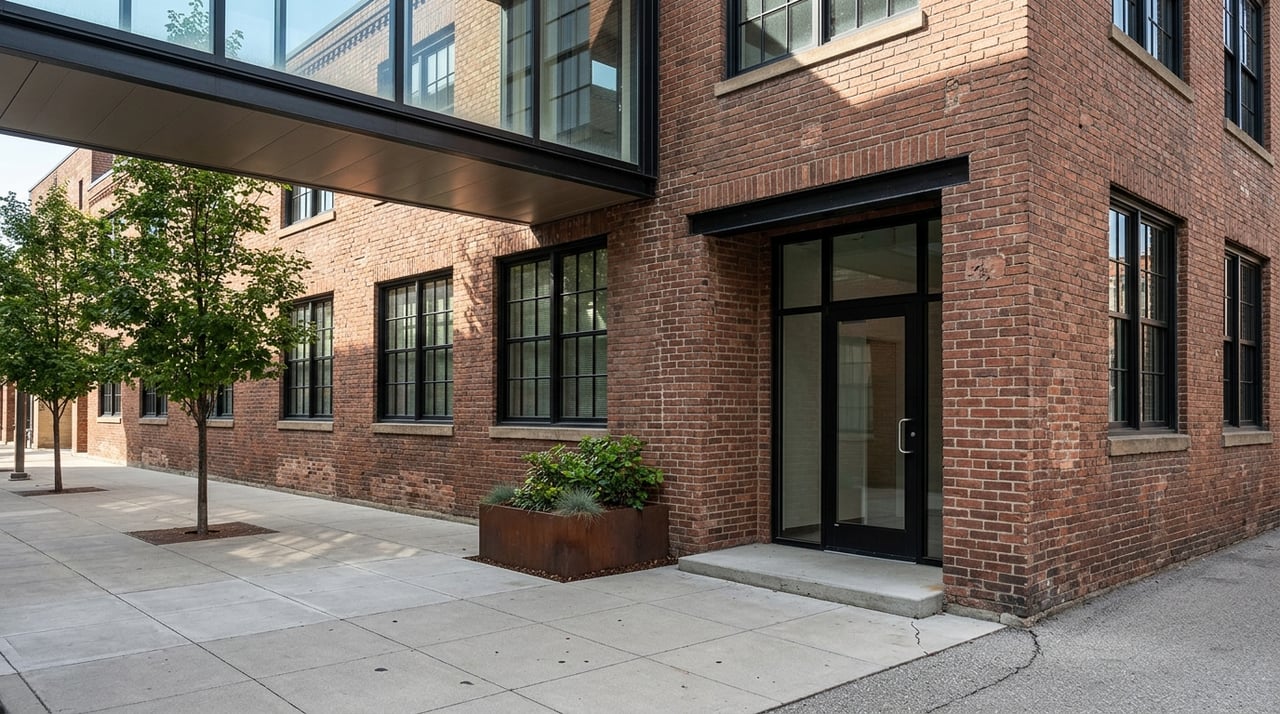
You are more likely to find apartments, condominiums, renovated spaces, and buildings with street-level commercial uses than detached homes. That urban form supports the walkable pattern that many buyers and relocators are looking for when they want easy access to dining, errands, arts, and public spaces.
Another part of downtown’s appeal is adaptive reuse. Spokane has older buildings that have been renovated and repurposed, which gives the area a layered feel. The Fox Theater, for example, was restored from its original movie theater use into a performance venue, and the Crescent Building was renovated in 2006.
That blend of old and new gives downtown a character that feels less uniform than a newly built district. If you appreciate architecture, historic materials, and spaces with visual personality, that is a meaningful part of the lifestyle.
What Daily Life Looks Like
Urban living in downtown Spokane tends to be practical, walkable, and flexible. A typical day can include grabbing coffee nearby, walking through Riverfront Park, handling errands downtown, then heading to a performance, gallery, or dinner in the evening.
You do not have to give up driving completely, but you may rely on it less often. The area supports a mix of walking, transit, biking, and selective car use depending on where you live and where you need to go.
Walking and trail access
Downtown’s public spaces are a major part of the lifestyle. Riverfront Park, the Centennial Trail, and connected sidewalks create a daily environment where walking is built into the neighborhood experience rather than treated as an extra activity.
That can make a real difference if you value convenience and movement in your routine. Even a short walk can connect you to views, events, shopping, and cultural spaces.
Transit options
Spokane Transit Authority’s network adds another layer of convenience. STA says City Line is Eastern Washington’s first bus rapid transit route, connecting Browne’s Addition, Downtown, the University District, Gonzaga, and Spokane Community College.
STA also lists Route 11, the Downtown/North Bank Shuttle, with 20-minute night and weekend service. For residents, those connections can help reduce the need to drive for every trip, especially when you are moving between downtown and nearby districts.
Parking and driving
Downtown Spokane is not fully car-free, and that is important to know upfront. The city’s parking system includes paid parking downtown Monday through Saturday from 8 a.m. to 7 p.m., so driving is still part of the picture for many residents and visitors.
That does not make downtown inconvenient. It simply means urban living here is a balance of transportation options, not a total replacement of one mode with another.
Skywalks in colder weather
Spokane also has a downtown skywalk system that adds another practical layer to city living. Municipal code defines it as the central business district’s above-street pedestrian circulation network, and Downtown Spokane Partnership says the system includes 15 skywalks spanning about a dozen city blocks.
During colder or less comfortable weather, that can make downtown movement easier. It is one of those small but useful features that helps shape the rhythm of living in the city center.
Shopping, Dining, and Entertainment
Downtown Spokane offers a blend of daily convenience and leisure. River Park Square is one of the clearest examples, described by Visit Spokane as a downtown destination for shopping, dining, and entertainment, with AMC 20 Theatres and IMAX, local and national retailers, restaurants, and covered parking.
For someone living nearby, that kind of setup can make daily life simpler. You have access to errands, meals, and entertainment in one part of town, often without needing a long drive.
The arts scene is also a visible part of the downtown experience. The Fox Theater is home to the Spokane Symphony, Spokane Civic Theatre serves the North Bank area, and downtown galleries help keep the core culturally active throughout the month.
First Friday adds to that energy. Running monthly from 5:00 to 8:00 p.m., it brings artists, musicians, galleries, restaurants, and special events into one shared downtown experience.
Kendall Yards: Newer Urban Living
If you want a neighborhood that feels closely tied to downtown but has a newer planned-community identity, Kendall Yards is one of the strongest examples. The City of Spokane says the project covers about 78 acres on the north bank of the Spokane River, with a mixed-use section between Monroe and Maple and a mainly residential section west of Maple.
The neighborhood is closely connected to the downtown lifestyle. The Centennial Trail runs along its south edge, and Kendall Yards describes itself around river-gorge views, public art, parks, open space, gathering places, a night market, and a five-minute stroll to downtown.
For buyers, Kendall Yards can feel polished, connected, and design-conscious. It offers an urban experience shaped by newer planning, public spaces, and close access to both the river and the city core.
Browne’s Addition: Historic and Layered
Browne’s Addition offers a very different but equally compelling version of urban living near downtown. It is the historic west-side companion to the city center and is known for its mix of stately homes, low-rise apartment buildings, condominiums, and park space.
The neighborhood has a local historic overlay zone, and exterior changes require a Certificate of Appropriateness. That preservation framework helps maintain the district’s architectural character over time.
The city’s neighborhood profile describes a range of home styles in Browne’s Addition, including Queen Anne, Folk Victorian, Tudor Revival, Craftsman, and Mission Revival. If you are drawn to established streetscapes and varied architecture, this area offers a distinct visual identity.
Beyond the buildings, Browne’s Addition includes Coeur d’Alene Park, Overlook Park, the Northwest Museum of Arts and Culture, bicycle connections, transit routes, restaurants, and neighborhood services. It is close to downtown, but it brings a more historic and residential feel to the urban experience.
Why Downtown Spokane Feels Different
Downtown Spokane stands out because it combines several things at once. It is the region’s center for jobs and civic life, but it is also a place where river access, parks, arts venues, housing, retail, and public events are woven together.
That creates a kind of urban living that feels approachable. It is less about high-rise intensity and more about walkable, connected, riverfront city life with a strong sense of place.
For many buyers, that balance is the real draw. You can get a more urban routine without feeling cut off from scenery, trails, or historic character.
Is Downtown Spokane Right for You?
Downtown living usually works best if you value access, activity, and a more compact home base. If you like the idea of being near parks, restaurants, arts venues, and mixed-use neighborhoods, downtown Spokane offers a strong lifestyle match.
It can also appeal to buyers who want character. Between renovated buildings, historic districts, riverfront public space, and newer mixed-use development, downtown Spokane offers a range of settings that feel distinct from more suburban parts of the region.
If you are weighing Spokane neighborhoods and want help finding the right fit for your lifestyle, location goals, and housing preferences, working with a local expert can make the process much easier. When you are ready to talk through your next move, connect with Amy Khosravi to schedule a free consultation.
FAQs
What does urban living in downtown Spokane feel like?
- It feels like a compact riverfront city center where parks, trails, housing, restaurants, arts venues, and daily services are closely connected.
Is housing in downtown Spokane mostly apartments and condos?
- Broadly, yes. Downtown Spokane is best described as multifamily and mixed-use first, with apartments, condos, and renovated spaces making up much of the housing feel.
How is Kendall Yards different from Browne’s Addition in Spokane?
- Kendall Yards is newer, planned, and closely tied to trail access and mixed-use development, while Browne’s Addition is more historic, preservation-focused, and architecturally varied.
Can you live in downtown Spokane without relying heavily on a car?
- Many residents can reduce car use thanks to walking access, transit connections, trails, and skywalks, but downtown Spokane is not fully car-free and parking still matters.
Why does downtown Spokane feel different from other Spokane neighborhoods?
- Downtown stands out because it combines river access, public parks, arts and entertainment, historic buildings, mixed-use housing, transit, and year-round event activity in one compact area.