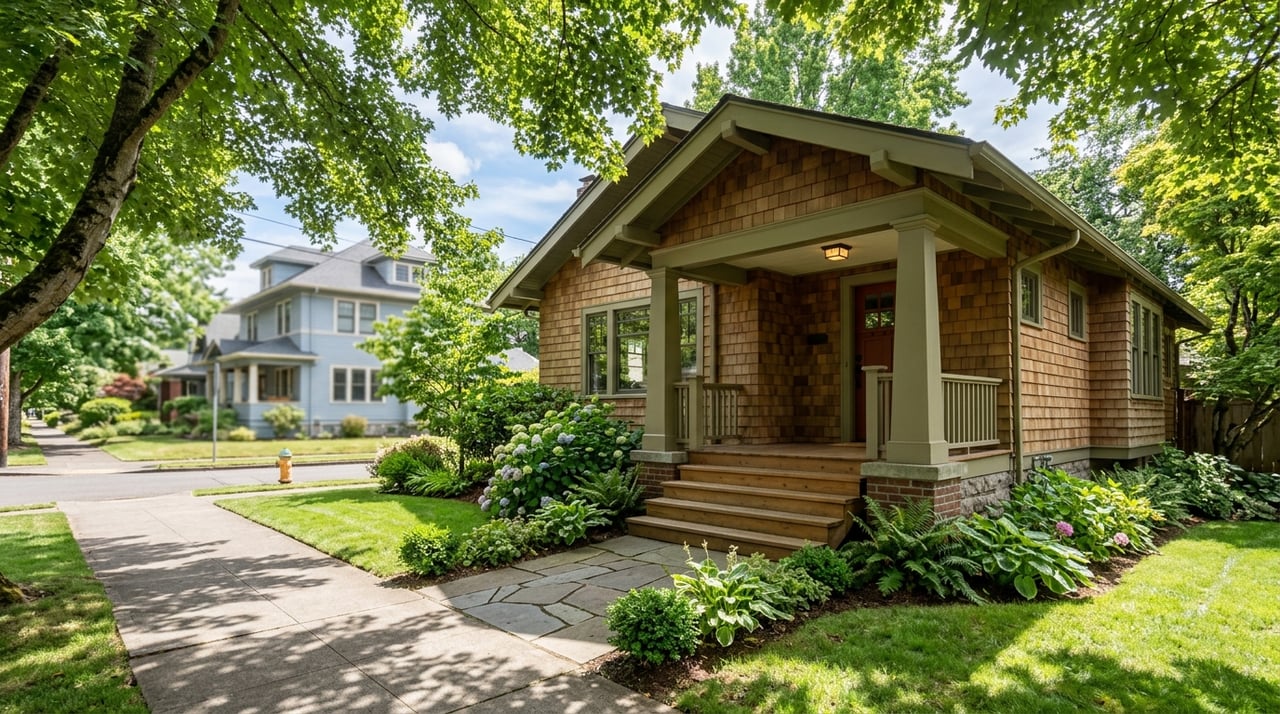
Trying to choose between South Perry and South Hill? If you are moving within Spokane, relocating from out of town, or narrowing your search to the city’s south side, that choice can feel bigger than it sounds. Each area offers a different day-to-day experience, and understanding that difference can help you buy with more confidence. Let’s break down how South Perry and South Hill compare so you can find the Spokane fit that feels right for you.
South Perry and South Hill at a Glance
South Perry and South Hill are both well-known Spokane areas, but they are not set up the same way. South Perry is a distinct close-in district just southeast of downtown, with historic homes, small businesses, churches, nonprofits, and recurring neighborhood events. It has a defined business district and a strong local center.
South Hill is broader. The City of Spokane groups several neighborhoods into the South Hill planning area, including Cliff Cannon, Comstock, Lincoln Heights, Manito/Cannon Hill, Rockwood, and Southgate. In practice, that means South Hill feels less like one single district and more like a collection of micro-neighborhoods with different housing styles, street patterns, and amenity hubs.
South Perry Lifestyle
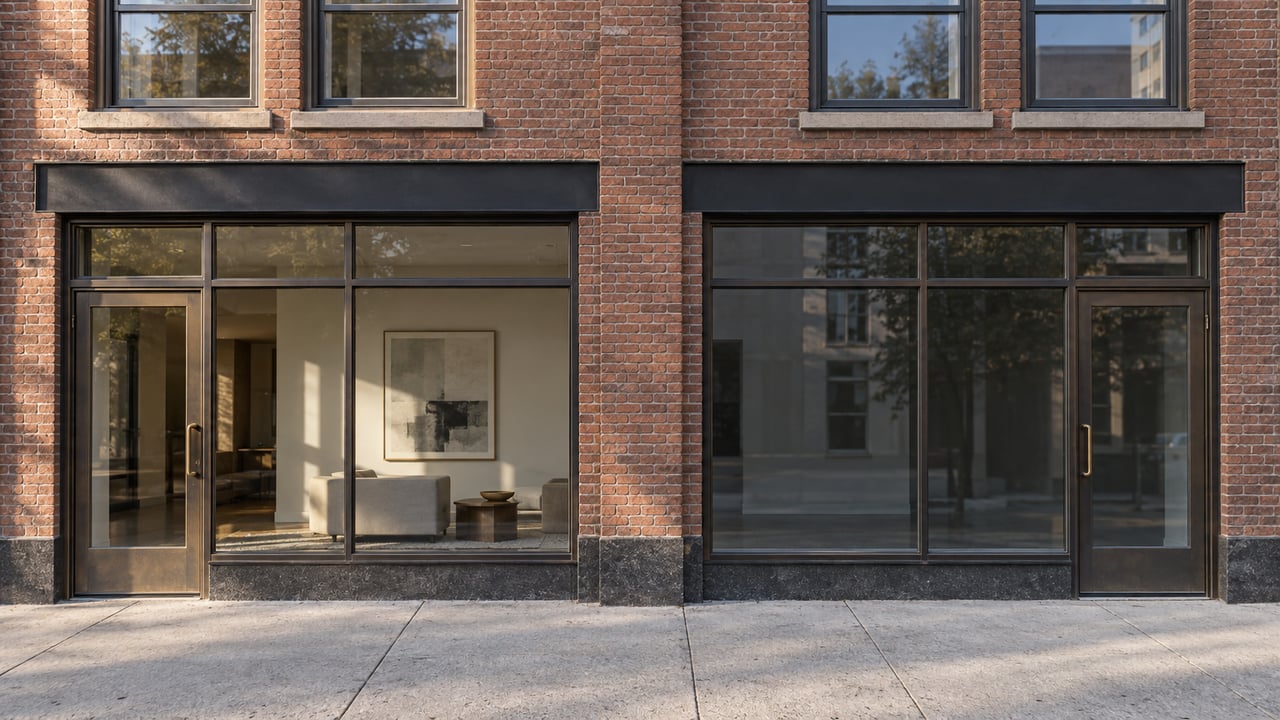
If you want a neighborhood with a compact, walkable core, South Perry stands out. The city describes it as a small, lively neighborhood center with excellent walking conditions, moderate traffic that still supports foot traffic, transit service, and nearby Grant Park. That combination creates a more urban village feel than many other Spokane neighborhoods.
South Perry also has a strong local business district. City and district materials point to neighborhood-serving restaurants and businesses, along with events like the Thursday farmers market and the South Perry Street Fair. Well-known spots in the district include The Shop, Meeting House Café, Perry Street Brewing, and Lantern.
For many buyers, the appeal is not just the list of businesses. It is the rhythm of daily life. Being able to step out for coffee, dinner, or a neighborhood event gives South Perry a steady street presence that feels active without being downtown.
South Perry Housing Feel
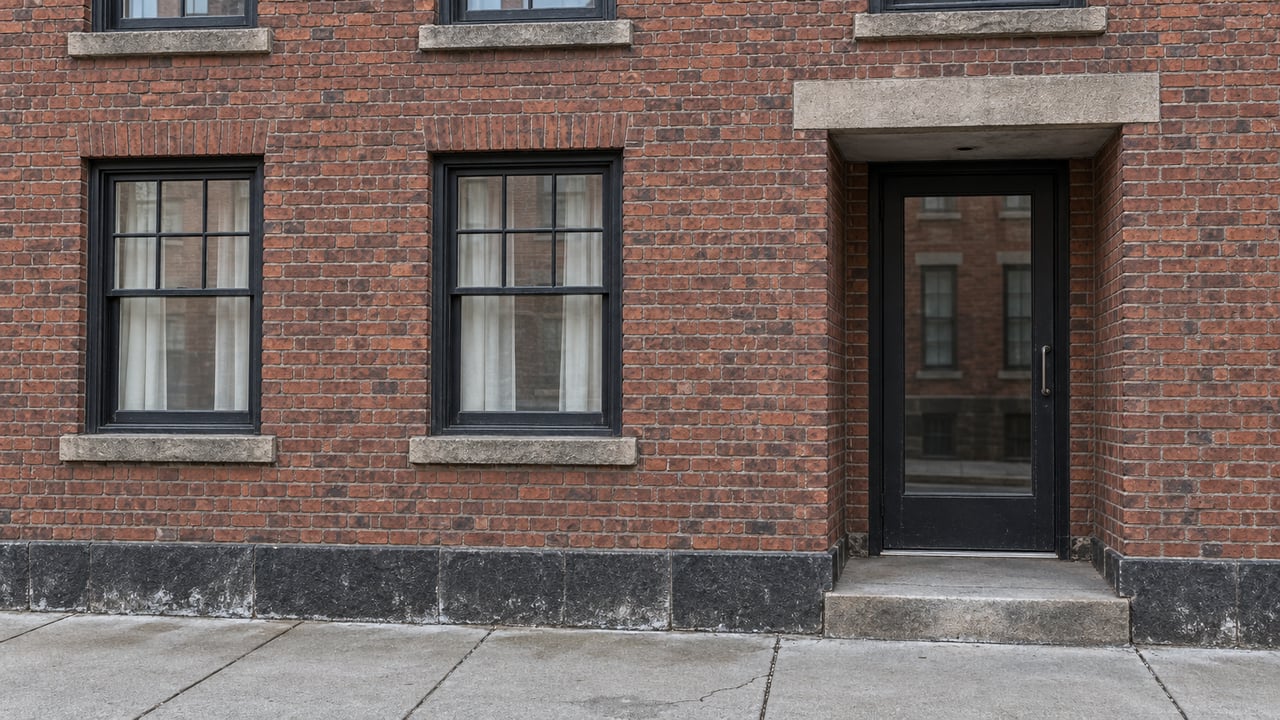
South Perry’s housing stock tends to feel older, smaller-scale, and more compact. Spokane planning documents note hundreds of small homes on 50-foot lots in the surrounding area, and the city’s recent study lists an average year built of 1942. Most of the nearby housing is low-density residential, largely single-family detached homes, with some older and newer middle housing mixed in.
That often translates to streets with historic character and homes set a bit closer together. If you are drawn to older architecture, established blocks, and a close-in location, South Perry may be a natural match.
South Hill Lifestyle
South Hill offers a wider range of living experiences. Rather than one concentrated district, it gives you multiple neighborhood pockets connected by parks, commercial nodes, bus routes, bike routes, and arterials. If you like options and want to match your home search to a specific streetscape or amenity pattern, South Hill gives you more room to fine-tune.
Several South Hill neighborhoods are especially tied to parks and everyday shopping areas. Manito/Cannon Hill residents can walk to parks, schools, and shopping near 29th and Grand, with sidewalks, bike routes, and two bus lines supporting daily movement. Lincoln Heights centers around the 29th Avenue shopping district, where residents can access groceries, hardware, coffee shops, restaurants, books, and transit on foot.
Comstock and Rockwood add more variety. Comstock residents can walk or bike to the South Hill Library, Manito Post Office, grocery stores, restaurants, coffee shops, and parks. Rockwood includes bus routes, a major bike route on Southeast Boulevard, Rockwood Bakery, and convenient access to Manito Park.
South Hill Housing Feel
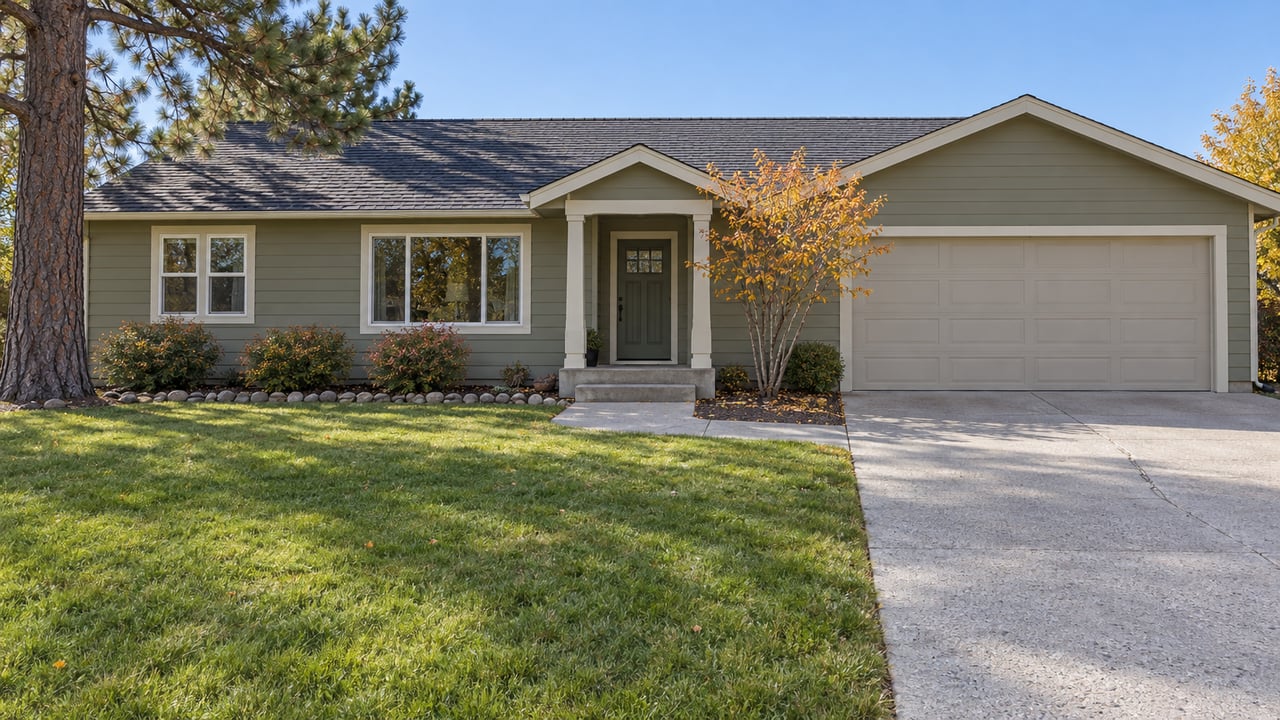
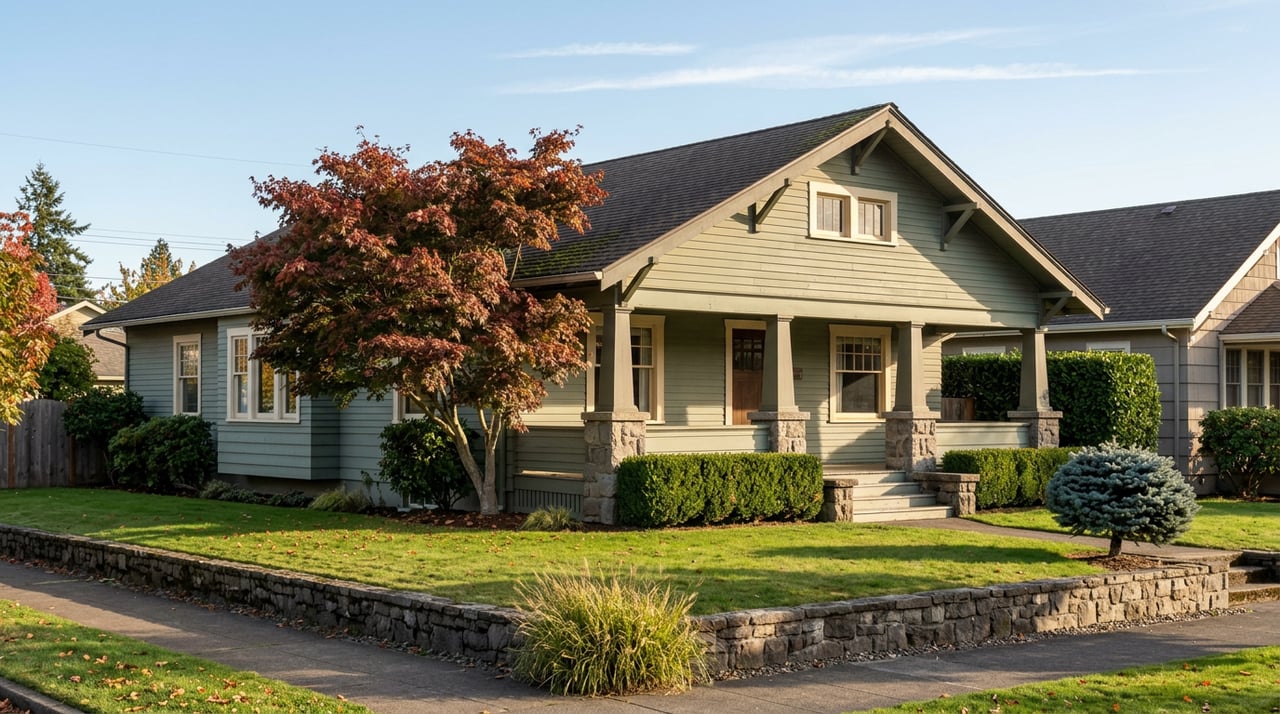
One of South Hill’s biggest strengths is range. Manito/Cannon Hill is known for mostly early-20th-century mid-sized single-family homes on short grid streets with alleys and mature trees. Lincoln Heights blends early-1900s Craftsman homes with mid-century ranchers and newer split-level homes.
Comstock is mostly post-World War II and includes homes that range from small to large. Rockwood includes a wide variety of styles, with Tudor Revival and Colonial Revival especially prominent, along with smaller bungalows and cottages on side streets. If you are searching for South Hill, it often helps to think in terms of micro-neighborhoods rather than one broad label.
Walkability and Daily Convenience
If walkability is high on your list, South Perry has the clearer edge at its core. The city specifically labels walking conditions there as excellent, and the district’s compact business area supports short trips on foot. For buyers who picture walking to coffee, dinner, or the farmers market, South Perry is often the more direct fit.
South Hill can still support a walkable lifestyle, but it depends more on the specific neighborhood. Some areas offer easy access to parks, shopping nodes, and transit, while others feel more residential between destinations. The tradeoff is that South Hill often gives you more variety in home style, lot feel, and neighborhood character.
Parks and Outdoor Access
South Hill has the stronger park anchor overall. Manito Park alone spans 78 acres and includes five major garden areas, making it one of Spokane’s signature outdoor spaces. Combined with the broader South Hill park network, that gives many South Hill neighborhoods a strong connection to green space.
South Perry’s nearby named park in the city study is Grant Park. While that still adds outdoor access, the area is generally more defined by its neighborhood business district and compact center than by a major park destination.
Downtown Access Feels Different
Both areas offer good access to downtown Spokane, but the experience is different. South Perry is close-in and city-adjacent, so its connection to downtown feels direct. That can appeal to buyers who want to stay near the energy of the urban core while living in a neighborhood setting.
South Hill’s connection to downtown feels more distributed. Planning documents emphasize bus routes, bike routes, arterials, and links among neighborhoods, commercial nodes, parks, and downtown. In everyday terms, South Hill often feels like a residential network with convenient access points rather than a single corridor near the center city.
Which Spokane Fit May Suit You Best?
South Perry may fit you best if you want:
- A compact neighborhood center
- Historic homes and established blocks
- Strong walkability at the district core
- Easy access to coffee shops, dining, and neighborhood events
- A more urban village feel close to downtown
South Hill may fit you best if you want:
- More neighborhood choices within one broad area
- A wider range of home styles and lot feels
- Access to major parks, especially Manito Park
- Shopping and errands tied to multiple neighborhood nodes
- A quieter residential rhythm between amenity hubs
A Smart Way to Compare Them
If you are touring both areas, try comparing them through your everyday routine instead of just square footage or price. Ask yourself where you would grab coffee on a Saturday, what kind of streetscape feels comfortable to you, and whether you want a compact district or a broader residential area with several distinct pockets.
This is where hyperlocal guidance matters. Two homes with similar features can feel completely different depending on whether they sit near South Perry’s active core or in one of South Hill’s quieter micro-neighborhoods. The right choice usually comes down to how you want your days to feel, not just what appears on a listing sheet.
Whether you are buying your next home or preparing to sell in one of Spokane’s most recognized areas, a neighborhood-level strategy can make a real difference. If you want help comparing South Perry and South Hill with your goals in mind, Amy Khosravi can help you evaluate the fit with clear local insight and a thoughtful, design-minded approach.
FAQs
Is South Perry more walkable than South Hill in Spokane?
- Yes, at its core. The City of Spokane describes South Perry’s walking conditions as excellent, while South Hill walkability depends more on the specific micro-neighborhood and nearby shopping or park nodes.
Is South Hill one neighborhood in Spokane?
- No. South Hill is better understood as a group of neighborhoods, including areas like Comstock, Lincoln Heights, Manito/Cannon Hill, Rockwood, Cliff Cannon, and Southgate.
Does South Perry in Spokane have a defined business district?
- Yes. South Perry has a neighborhood business district with restaurants, cafés, a brewery, and recurring events like the Thursday farmers market and South Perry Street Fair.
Which area has bigger park access, South Perry or South Hill?
- South Hill has the larger park anchor overall, especially with Manito Park and the broader South Hill park network. South Perry’s nearby named park in the city study is Grant Park.
What kind of homes are common in South Perry Spokane?
- South Perry is known for older, smaller-scale homes in a compact setting, with many single-family detached houses and some middle housing nearby.
What kind of homes are common on Spokane’s South Hill?
- South Hill includes a broader mix, from early-20th-century homes and Craftsman houses to mid-century ranchers, split-level homes, Tudors, Colonial Revival homes, bungalows, and cottages.