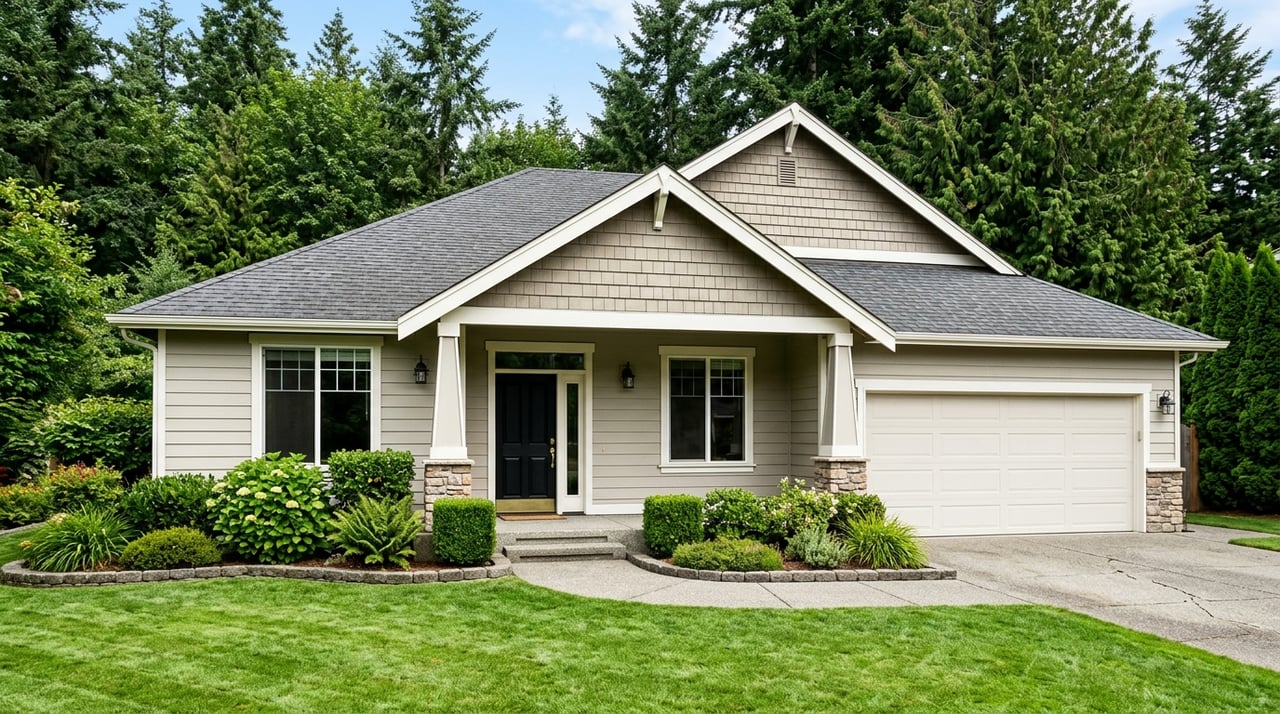
If you are getting ready to sell on Spokane’s South Hill, one of the biggest mistakes you can make is treating every home the same. South Hill is not one look, one buyer, or one pricing lane, and buyers notice that right away. When your home’s presentation fits its architecture, condition, and micro-market, you give it a better chance to stand out online and in person. Let’s dive in.
South Hill Is Not One Market
South Hill includes several distinct areas, and each one has its own housing character. The City of Spokane’s South Hill Coalition includes Cliff Cannon, Comstock, Lincoln Heights, Manito/Cannon Hill, Rockwood, and Southgate, with an emphasis on preserving tree canopy and open space.
That matters when you prepare your home for sale. A generic refresh can make a home feel disconnected from its setting, while a design-led approach helps buyers understand what makes the property feel right for its location.
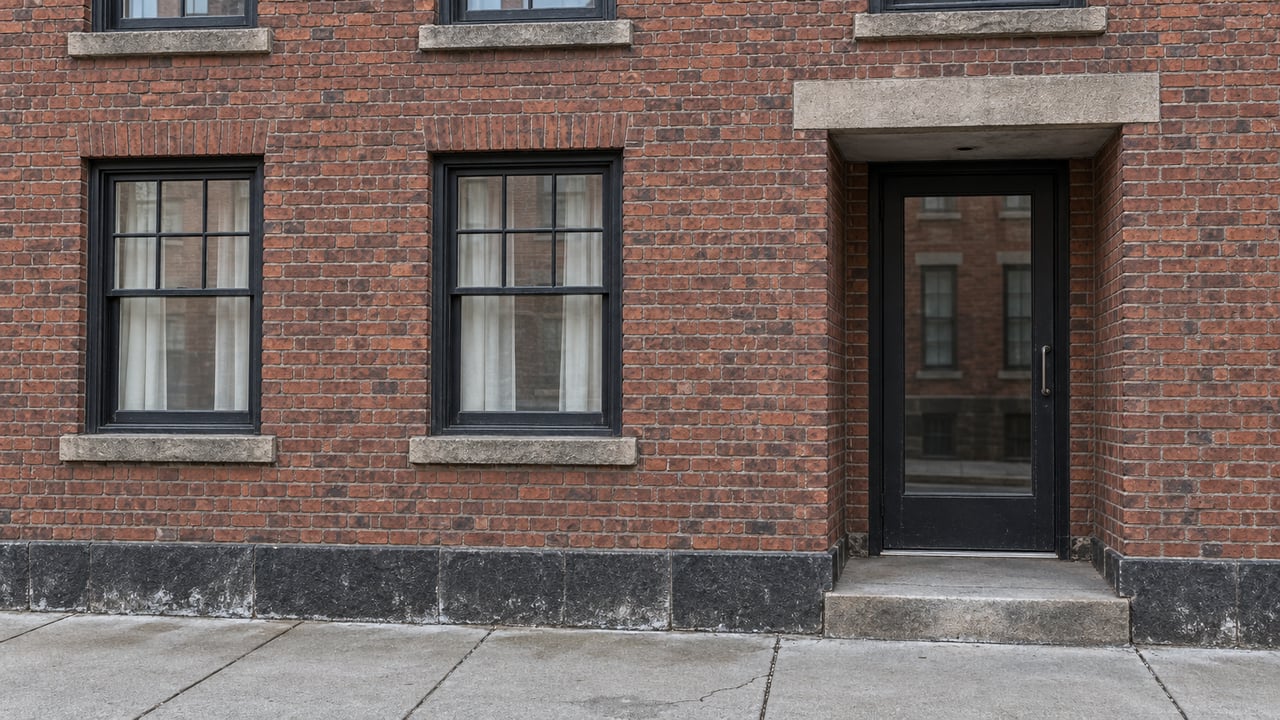
In Rockwood, many homes sit well back from the street and are framed by large deciduous trees. In Manito/Cannon Hill, many homes date to the early 20th century and often feature mature trees, alley access, and original layouts that may not include garages. Comstock and Southgate often bring a different feel, with more postwar and mid-century homes, practical floor plans, and strong curb appeal.
The key idea is simple: match the presentation to the home’s era and character. That usually creates a more believable, polished listing than trying to force a trend that does not fit the house.
Why First Impressions Matter More Than Ever
Most buyers meet your home online before they ever step inside. In March 2026, NAR reported that 81% of buyers rated listing photos as the most useful feature during their online search, and 52% found the home they purchased online.
That means your listing launch is not just about being live. It is about looking strong from day one so your home earns clicks, saves, shares, and showings in those first critical days on the market.
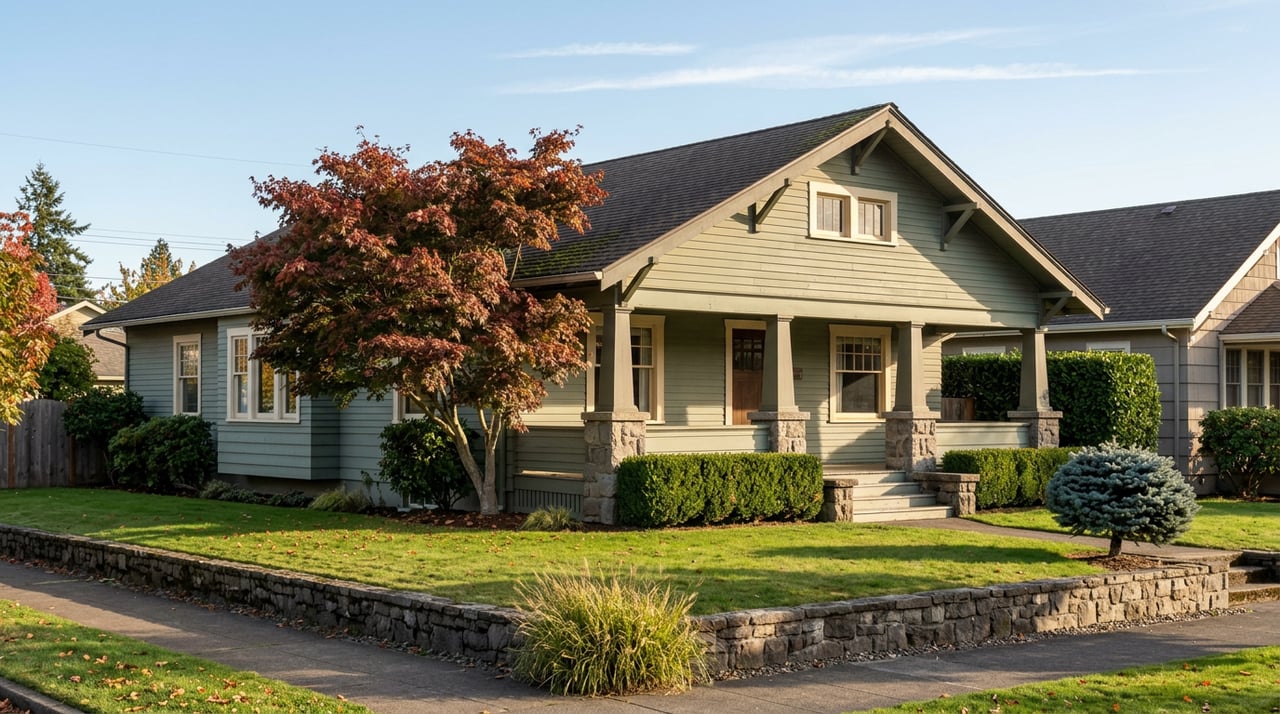
On South Hill, the lead image often matters even more because the area is known for mature trees, landscaped lots, and attractive streetscapes. Depending on the property, the best first photo may be a compelling exterior shot, a beautiful yard view, or a defining interior space that captures the home’s personality.
Just as important, the visuals should be honest. Over-edited images can create a disconnect between what buyers expect online and what they see in person, and that can weaken confidence when offers come in.
Start With the Highest-Impact Rooms
If you are not sure where to focus, begin with the rooms buyers care about most. NAR’s 2025 staging research found that buyers’ agents ranked the living room, primary bedroom, and kitchen as the top spaces to stage.
For sellers’ agents, the most commonly staged rooms were the living room, primary bedroom, dining room, and kitchen. That gives you a clear order of operations if you want the biggest return on your time and budget.
Living Room First
Your living room often sets the emotional tone for the entire showing. Buyers want to understand how the space lives, where furniture fits, and whether the room feels comfortable, bright, and usable.
On South Hill, this room can also help highlight architectural character. In older homes, that may mean drawing attention to original trim, windows, fireplaces, or built-ins. In mid-century or postwar homes, it often means creating a cleaner layout that helps the floor plan read clearly.
Make the Primary Bedroom Calm
The primary bedroom should feel restful, simple, and proportional to the home. Too much furniture, bold personal decor, or heavy styling can make the room feel smaller and distract from its actual size and function.
A clean bed, balanced lighting, and open circulation usually do more than a full redesign. Buyers are trying to picture daily life there, not admire a decorating statement.
Keep the Kitchen Clear
Kitchens do not always need a remodel to make a strong impression. Often, what helps most is clear counters, better lighting, fresh paint, deep cleaning, and a layout that feels organized and easy to use.
Because the kitchen is one of the most viewed spaces in listing photos and showings, small visual distractions can carry more weight here. Clean surfaces and edited styling help buyers focus on the room itself instead of the seller’s stuff.
Refresh Before You Remodel
Many sellers assume they need a major renovation before listing. In reality, the research points first to more practical steps: decluttering, professional cleaning, carpet cleaning, painting, landscaping, and fixing visible faults.
That is good news if you want to improve presentation without taking on a full project. NAR guidance shows these lower-lift improvements are the most common complements to staging, and they often do the heavy lifting when the goal is to make the home feel well cared for.
For many South Hill homes, a refresh is also the smarter design choice. You want the property to feel clean, bright, and market-ready without erasing the features that make it distinct.
Historic Homes Need a Different Strategy
If your home is in a historic area, caution matters. Spokane’s Cannon Streetcar Suburb Local Historic District overlay requires exterior alterations to go through a Certificate of Appropriateness review, and the standards emphasize retaining historic character, preserving distinctive features, and repairing rather than replacing historic materials when possible.
That is one reason many historic South Hill sellers are better served by refreshing instead of remodeling before they list. Clean and repair woodwork, touch up paint, improve lighting, polish the landscaping, and style the rooms so original details can be seen and appreciated.
In neighborhoods like Rockwood, Cliff Cannon, and parts of Manito/Cannon Hill, buyers are often responding to the home’s setting and architecture as much as square footage. Presentation should support that story, not compete with it.
Mid-Century and Postwar Homes Need Clarity
In Comstock and Southgate, many homes came later and often reflect postwar or mid-century design. These properties usually benefit from a different approach than older historic homes.
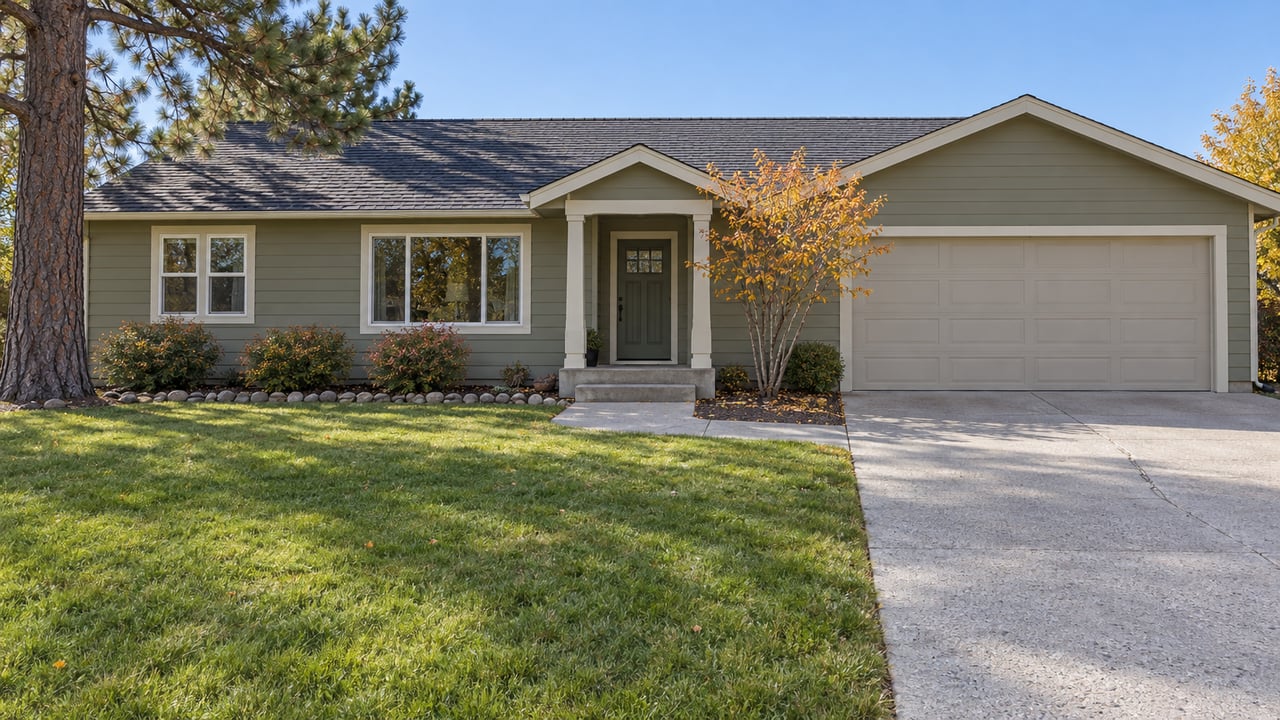
Instead of leaning into ornate styling, focus on openness, light, and simplicity. Let the layout feel easy to understand, reduce visual clutter, and make sure the exterior looks tidy and current.
For ranchers and practical two-story homes, curb appeal matters. Clean landscaping, a neat entry, and a strong exterior photo can help buyers feel the home is move-in ready before they even schedule a tour.
Use Staging and Photography Together
Staging and photography work best as a pair. According to NAR’s 2025 staging report, 83% of buyers’ agents said staging made it easier for buyers to visualize a property as a future home.
The same research found that photos were one of the most important listing tools, with sellers’ agents placing especially high value on the photo package. Traditional staging, video, and virtual tours also play a role, but strong photography remains the gatekeeper to buyer interest.
That means staging should not be done in a vacuum. Every styling choice should help the home read better in person and on camera.
What Virtual Staging Can and Cannot Do
Virtual staging can help buyers understand an empty or awkward room. It can be useful when the goal is to clarify scale, show layout potential, or improve online engagement.
But it should never replace reality. If digitally altered images create a version of the home that buyers do not actually experience in person, trust can drop fast.
Price Must Match Presentation
Pricing is not separate from design. It is tied directly to how your home shows, how it compares to nearby options, and how confident buyers feel when they see the listing.
In April 2026, the Spokane REALTORS market report showed 1,238 active listings, 765 pending sales, and 2.4 months of supply across Spokane County residential site-built and condo sales on less than one acre. The median closed sales price for April was $420,000, with closed sales up 9.8% year over year and active inventory up 19.5% year over year.
With more inventory on the market, buyers have more choices. That makes alignment even more important. If a home looks premium but is priced without support, buyers may hesitate. If it is priced well but presented poorly, it may not get enough early attention to build momentum.
The goal is to create consistency between what buyers see, what they feel, and what they are being asked to pay. That is where design-led preparation can support stronger pricing strategy.
Where to Spend and Where to Save
Not every pre-listing dollar carries the same weight. If you want to be strategic, put your money where buyers will see it first and where photos will capture it best.
A practical pre-listing priority list often looks like this:
- Declutter and depersonalize
- Complete a deep professional cleaning
- Clean carpets and flooring
- Touch up paint where needed
- Improve lighting in key rooms
- Address visible repair issues
- Tidy landscaping and entry areas
- Stage the living room, primary bedroom, and kitchen first
If you hire professional staging, NAR’s 2025 staging report found a median spend of $1,500. The right amount for your home depends on its condition, size, vacancy status, and how much existing furniture can be used well.
For some sellers, partial staging and design guidance may be enough. For others, especially in upper-end South Hill listings, a more complete visual plan can help the home compete at a higher level.
A Design-Led Selling Plan for South Hill
The strongest South Hill listings usually follow a clear sequence. First, identify what kind of home you actually have in the context of its neighborhood. Then prepare it in a way that respects its architecture and condition.
After that, make sure the visuals are clean, attractive, and true to the property. Finally, pair that presentation with pricing that reflects both the market and the home’s visual readiness.
This approach works because it is not one-size-fits-all. It is local, strategic, and grounded in how buyers actually shop today.
If you are thinking about selling your South Hill home, working with someone who understands both presentation and pricing can make the process more focused and more effective. To talk through your home’s best next steps, schedule a free consultation with Amy Khosravi.
FAQs
Which rooms should sellers stage first in a South Hill home?
- Start with the living room, primary bedroom, and kitchen, since NAR’s 2025 staging research identified these as the highest-impact rooms for buyer perception.
Do South Hill sellers need to renovate before listing?
- Not usually as a first step. Cleaning, decluttering, paint, landscaping, and targeted repairs are often the smarter place to begin.
How much does home staging usually cost for Spokane-area sellers?
- NAR’s 2025 staging report found a median professional staging cost of $1,500, though the actual amount can be lower or higher depending on the scope.
Is virtual staging enough for a South Hill listing?
- Virtual staging can help clarify an empty space online, but it works best when it supports reality rather than creating a misleading impression.
How should historic South Hill homes be prepared for sale?
- In many cases, the best strategy is to refresh rather than remodel, especially where historic rules emphasize preserving character and repairing original features.
Why does pricing matter more when Spokane inventory rises?
- When buyers have more homes to choose from, your pricing and presentation need to work together so the home feels credible, competitive, and worth touring.