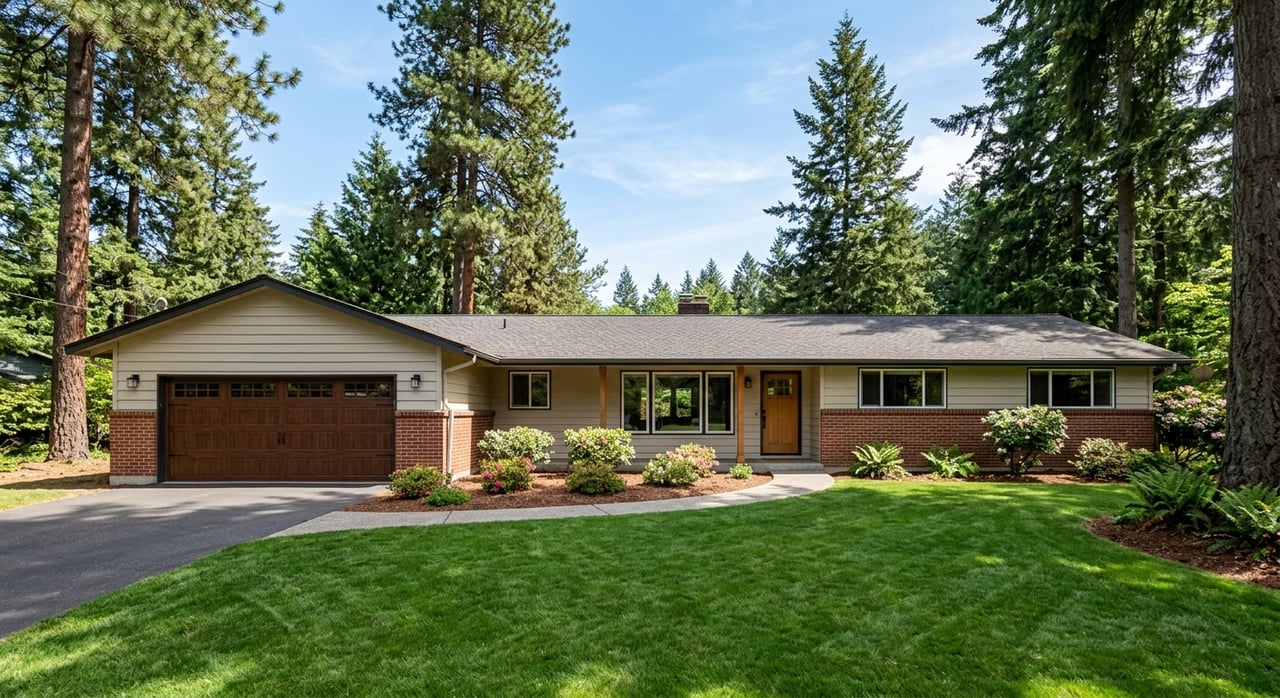
If you are trying to picture what Spokane Valley really feels like, you are not alone. This is a large city with a wide range of home styles, street patterns, and daily-life rhythms, so two areas can feel very different even within the same market. The good news is that once you understand how Spokane Valley developed, it becomes much easier to match your home search to the lifestyle you want. Let’s dive in.
Spokane Valley at a glance
Spokane Valley is one of the larger suburban cities in the Spokane and Coeur d’Alene corridor. According to Census Reporter’s 2024 profile for Spokane Valley, the city has 108,287 residents, a median household income of $74,135, a median owner-occupied home value of $412,100, and a mean travel time to work of 20.8 minutes.
That broad snapshot helps explain why Spokane Valley appeals to many different buyers. The city combines a homeownership-oriented market with a growing mix of housing choices, including single residential homes, multifamily properties, condominiums, apartments, retirement communities, and townhomes. If you want flexibility in both home style and neighborhood setting, Spokane Valley gives you a lot to compare.
Why Spokane Valley feels so varied
A big reason Spokane Valley feels diverse is its history and layout. The city’s comprehensive plan explains that Spokane Valley began as a spread-out collection of agricultural communities with large residential lots, while commercial activity clustered along highways and major arterials.
That pattern still shapes the city today. In many areas, you will notice quieter residential streets between busier roads, while major corridors like Sprague Avenue, Argonne Road, Mullan Road, Sullivan Road, and Pines Road carry much of the city’s commercial activity and transportation flow. In practical terms, that means your day-to-day experience can change a lot depending on whether you live in an interior neighborhood or closer to a main corridor.
Common home styles in Spokane Valley
Spokane Valley is not a one-style market. Instead, it offers a mix that reflects both older suburban development and newer housing demand.
Detached homes remain a major part of the market
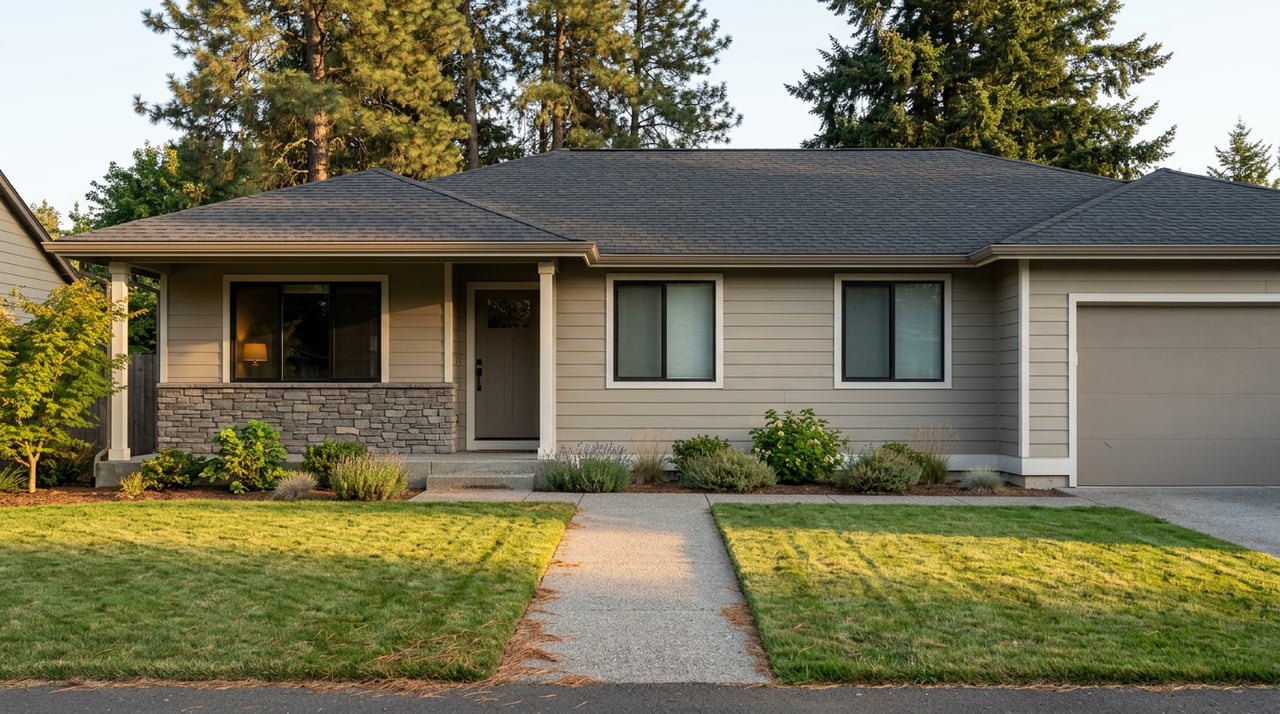
If you picture Spokane Valley as a place with many detached homes, that is still accurate. The city’s planning documents describe a landscape where single-family homes continue to predominate, especially in established residential areas.
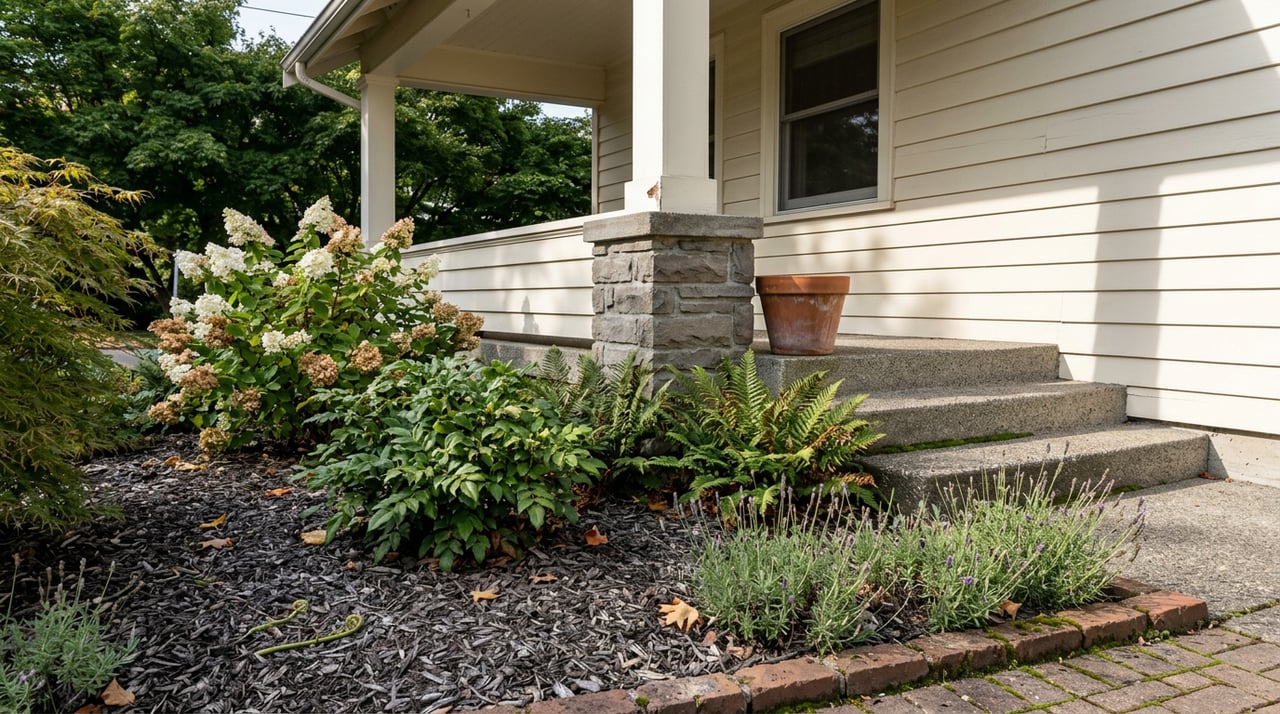
These neighborhoods often feel more traditional and suburban. You will typically find homes on a range of lot sizes, with a stronger emphasis on yards, driveways, and separation between residential streets and commercial activity.
Multifamily and townhome options add variety
Spokane Valley also includes more compact housing near business centers, transit, and major roads. The city notes that multifamily housing is generally located near commercial centers, arterial streets, and transit, which helps explain why some pockets feel denser and more convenience-oriented.
For buyers who want lower-maintenance living or easier access to shopping and regional routes, these areas can offer a different kind of fit. They may not feel as spread out as interior detached-home neighborhoods, but they can provide practical advantages for daily routines.
Newer housing types are shaping some neighborhoods
The city also points to detached cottage and tiny-home products as part of its evolving housing mix. These options are being used to add density while still blending with the scale of existing single-family neighborhoods.
That matters if you are comparing older and newer parts of Spokane Valley. Some areas still feel rooted in the city’s large-lot past, while others reflect a more current push toward compact, efficient, and amenity-connected housing.
How neighborhood feel changes by setting
One of the simplest ways to understand Spokane Valley is to think in terms of setting instead of trying to memorize small district lines. In many cases, the feel of an area comes down to whether it is inside a residential pocket, near a major corridor, or part of a newer planned community.
Interior neighborhoods feel more residential
Established interior neighborhoods between major arterials often read as quieter and more detached-home oriented. Based on the city’s land-use pattern, these areas tend to feel more traditional, with residential blocks set apart from busier commercial activity.
If you want a neighborhood experience that feels more yard-centered and less traffic-oriented, these interior locations may stand out. Historic community names like Opportunity, Veradale, Greenacres, and Dishman also still help people describe different parts of the Valley and connect them to the city’s earlier development pattern.
Corridor areas feel busier and more mixed-use
Areas near Sprague Avenue, Appleway, Sullivan Road, and the Spokane Valley Mall are some of the city’s clearest convenience-focused environments. The city’s comprehensive plan identifies Sprague as an urban transportation corridor suited to multimodal travel and higher-density mixed use, while the mall area is part of a regional commercial district.
If your priority is quick access to shopping, services, and major routes, these locations may feel especially practical. You should also expect a more active street environment than you would find deeper inside residential neighborhoods.
Planned communities can feel more curated
Spokane Valley’s housing market page also highlights planned communities with wider streets, trails, and shared amenities. These neighborhoods can offer a more intentionally designed suburban feel than some older grid-based areas.
For some buyers, that means a strong balance between neighborhood structure and everyday ease. If you like the idea of built-in trails or shared community features, this type of setting may be worth a closer look.
Some pockets still feel more spacious
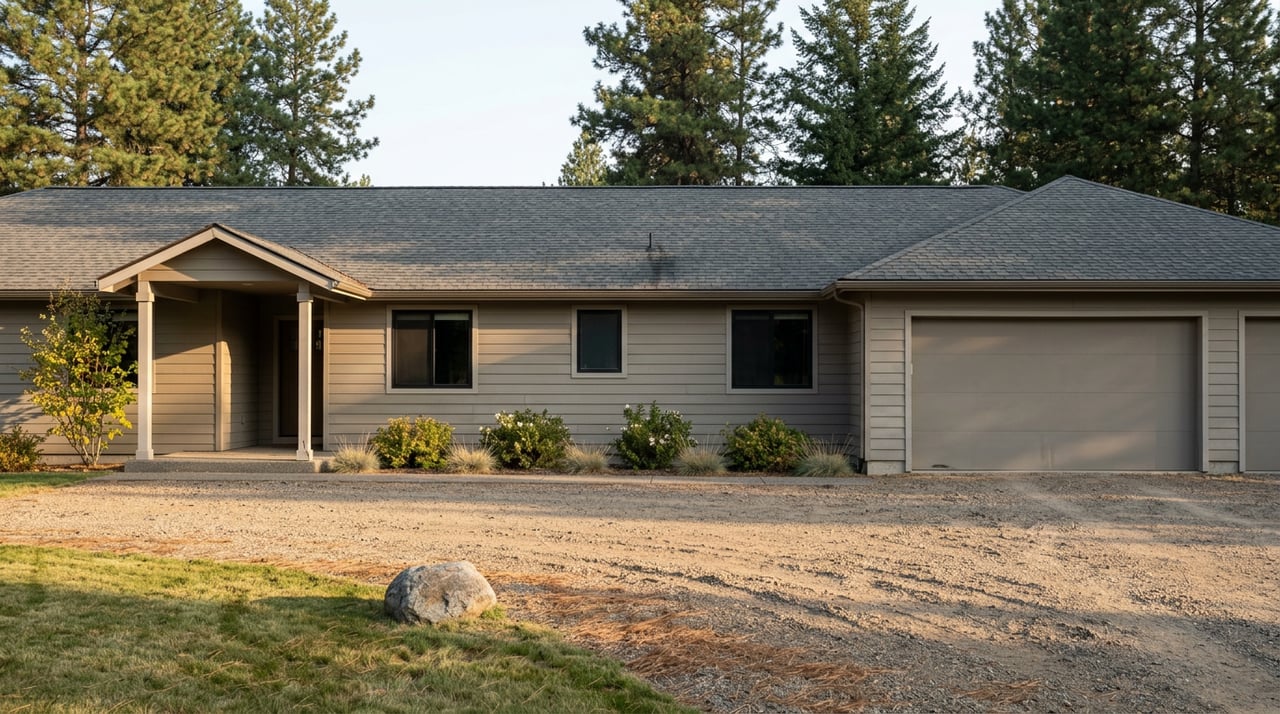
Because Spokane Valley grew from agricultural communities, some lower-density areas still feel more open and less tightly urbanized. While that is not a formal neighborhood category, it is a useful way to think about parts of the city where the original rural pattern is still visible.
If you prefer more breathing room, larger lots, or a less compact setting, these areas may align with your goals. They can offer a different experience from the city’s more corridor-oriented and retail-centered sections.
Lifestyle anchors that shape daily life
Home style matters, but neighborhood feel often comes down to what surrounds you. In Spokane Valley, shopping access, parks, trails, and transportation all play a major role in how an area lives day to day.
Shopping access is a major theme
Spokane Valley is a regional shopping hub. The city’s shopping page says the Spokane Valley Mall includes four anchor department stores, more than 115 specialty stores, a cinema, and nearby national retailers.
Shopping character also changes by area. The city notes that historic Sprague Avenue between Barker Road and University Street includes vintage, antique, resale, specialty, and boutique shopping, which gives some parts of the corridor a different feel from larger retail centers.
Parks and trails can change the vibe
Outdoor access is one of the strongest quality-of-life features in Spokane Valley. The city’s outdoor recreation resources highlight the Centennial Trail, the Appleway Trail, Mirabeau Point Park, Browns Park, Valley Mission Park, and Sullivan Park.
This can have a real effect on how an area feels. River-adjacent and trail-adjacent locations may feel more recreation-oriented and active, while interior residential areas may feel more conventional and home-centered.
Transportation affects rhythm and convenience
Spokane Valley’s commute pattern is strongly shaped by I-90 and the arterial road network. The city’s planning framework shows that many neighborhoods are organized around driving access to major roads rather than a dense walk-to-work pattern.
Transit is also part of the picture. Spokane Transit’s system updates note connections through the Mirabeau Transit Center and service along key Valley routes, including Route 7, Route 9, and Route 190. For buyers who value regional access, proximity to these connections may influence which part of Spokane Valley feels most practical.
How to choose the right fit
When you tour Spokane Valley, it helps to focus on lifestyle fit as much as square footage. A beautiful home can still feel wrong if the surrounding area does not match how you want to live.
As you compare neighborhoods, consider questions like these:
- Do you want a more traditional residential setting or easier access to shopping and main roads?
- Would you prefer a larger-lot feel or a lower-maintenance home near services?
- How important are trails, parks, and recreation access to your daily routine?
- Do you want a quieter interior street, or are you comfortable being closer to an active corridor?
- Is commute convenience a top priority?
These tradeoffs are a normal part of Spokane Valley home shopping. The key is knowing what matters most to you before you narrow your search.
Why local guidance matters
Because Spokane Valley includes everything from established detached-home neighborhoods to denser corridor-adjacent housing, the right choice is rarely just about price. It is about how a home’s design, location, and setting work together.
That is where local insight can make a big difference. If you are buying in Spokane Valley or planning a move within the Inland Northwest, Amy Khosravi can help you compare neighborhood feel, home style, and everyday lifestyle fit so you can move forward with clarity.
FAQs
What home styles are common in Spokane Valley?
- Spokane Valley includes a broad mix of housing, including detached single-family homes, multifamily housing, condominiums, apartments, retirement communities, townhomes, and some newer cottage-style or compact housing options.
What do Spokane Valley neighborhoods generally feel like?
- Many interior neighborhoods feel more traditional and suburban, while areas near major corridors like Sprague Avenue or the mall district tend to feel busier, more mixed-use, and more convenience-oriented.
What parts of Spokane Valley feel most shopping-focused?
- Areas near Sprague Avenue, Appleway, Sullivan Road, and the Spokane Valley Mall tend to have the strongest commercial feel because they are closely tied to retail, services, and regional road access.
Are there quieter residential areas in Spokane Valley?
- Yes. Established interior neighborhoods between major arterials often feel calmer and more detached-home oriented, with less of the activity associated with main commercial corridors.
How do parks and trails affect Spokane Valley neighborhood feel?
- Access to places like Mirabeau Point Park, the Centennial Trail, and the Appleway Trail can make some areas feel more active and recreation-focused, while other neighborhoods feel more centered on homes and yards.